Every lead gets an answer.
The AI assistant answers missed calls, captures the job details, and gives your team a ready-to-book lead while you're still on the job.
Meet the AI voice assistant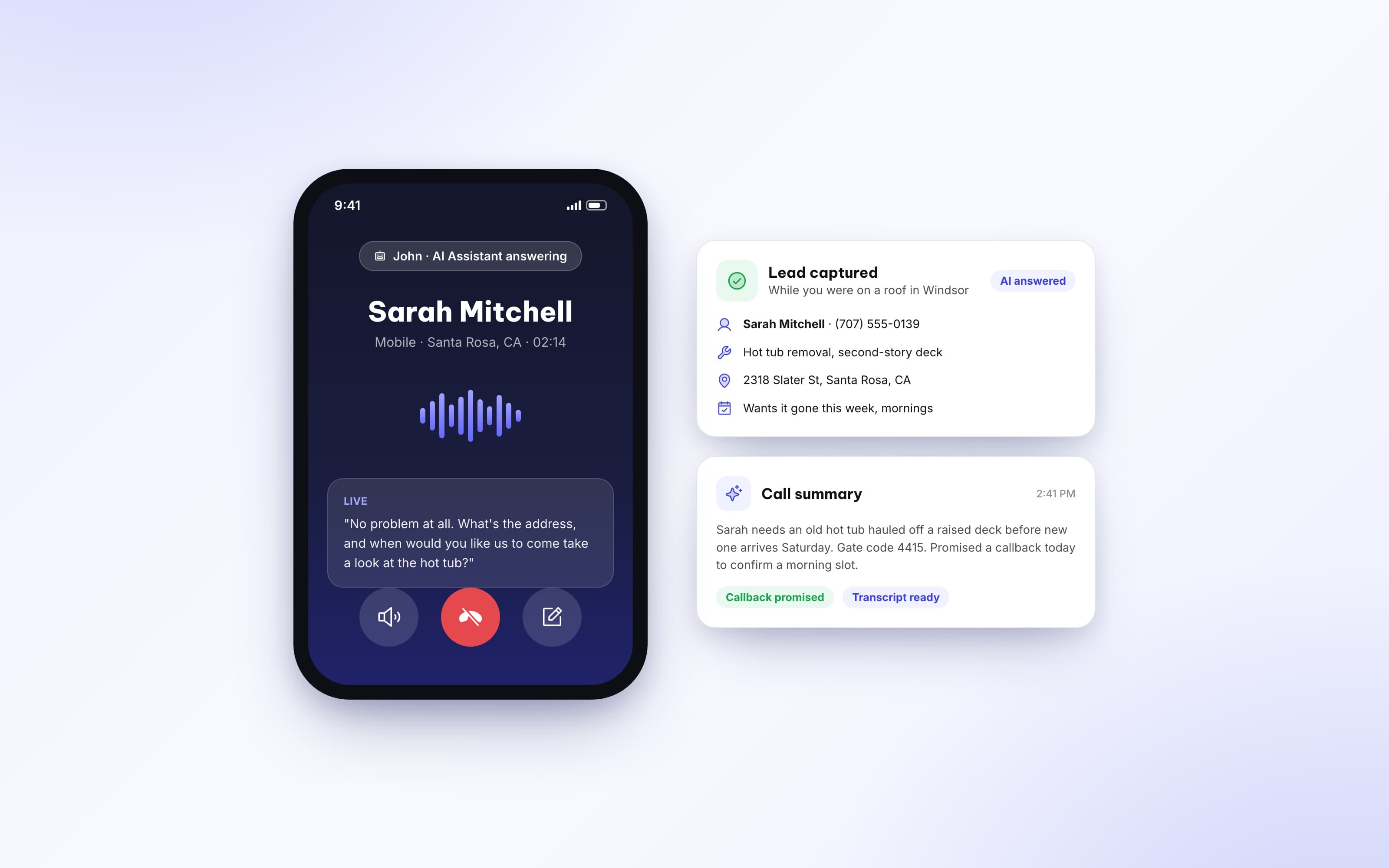
The easiest all-in-one CRM built for home service businesses. Scheduling, payments, customer communication, and automation, without the bloat.

Autopilot handles the handoffs that usually cost you leads, hours, and cash. Here is what that looks like inside the product.
The AI assistant answers missed calls, captures the job details, and gives your team a ready-to-book lead while you're still on the job.
Meet the AI voice assistant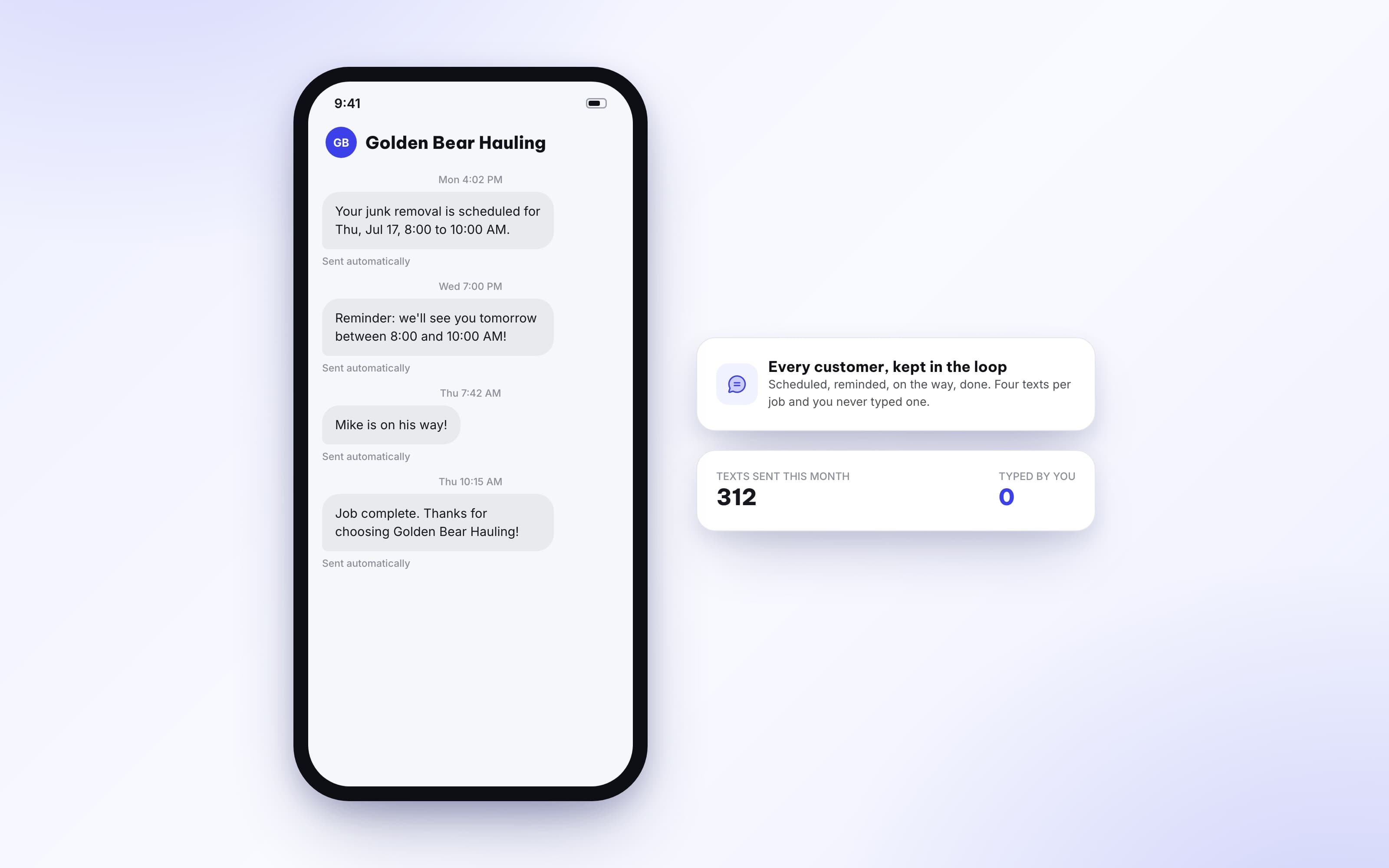
Jobs land on the crew schedule. Customers get the reminder, On My Way text, and completion message. Your office types nothing.
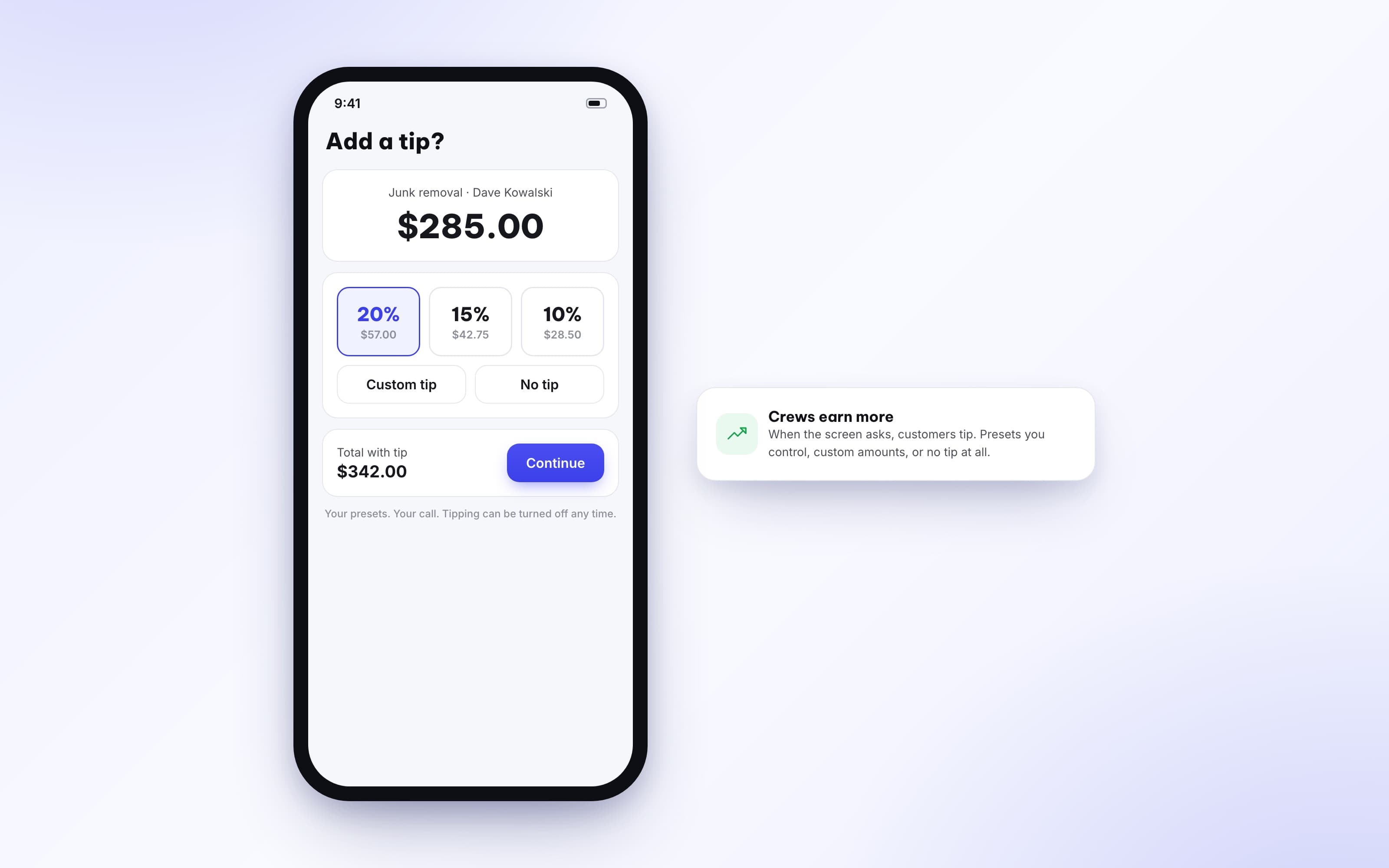
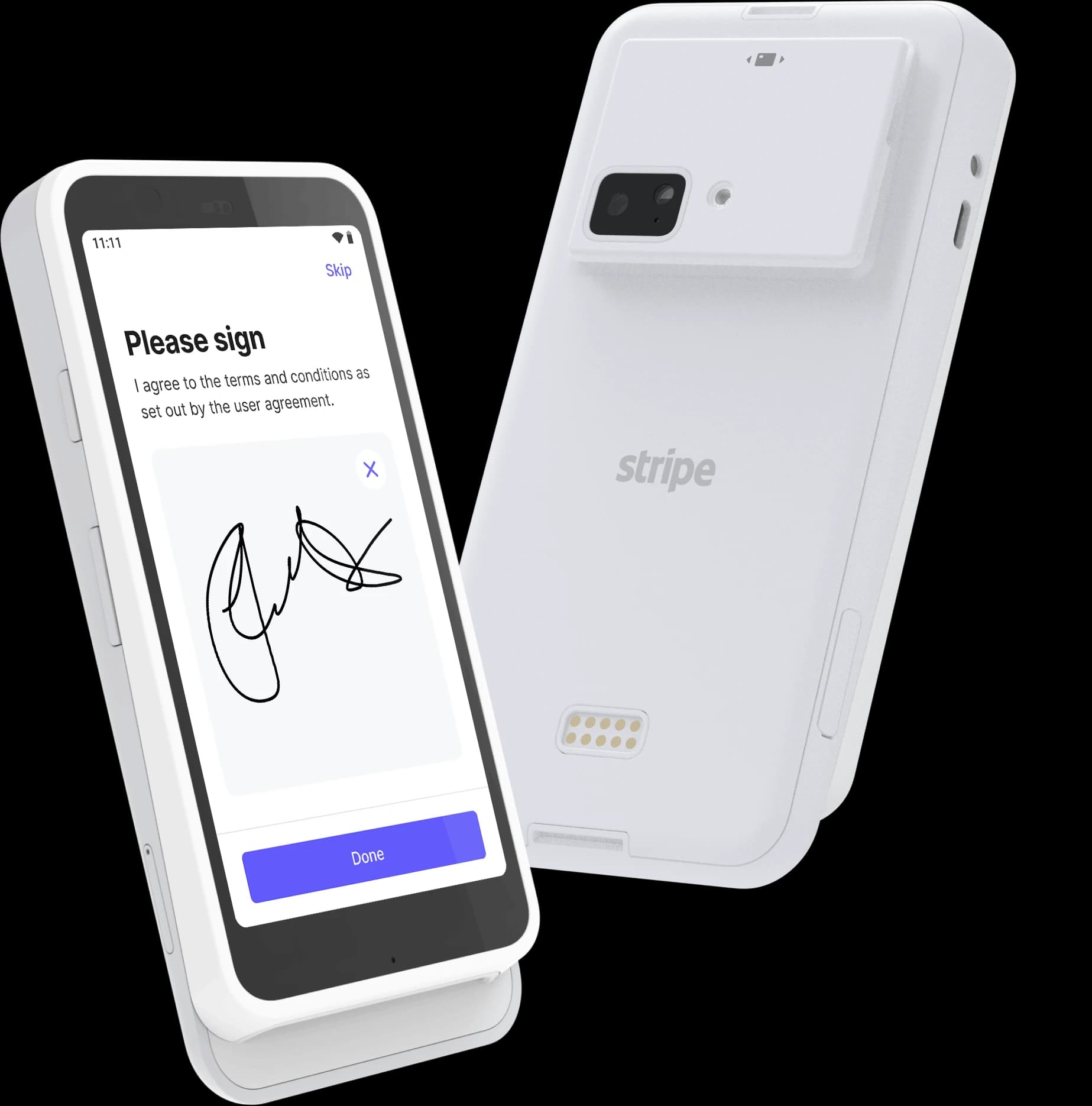
See automated job textsAccept Tap to Pay on iPhone or hand the customer the Stripe S710. Autopilot asks for the tip and records the payment before your crew leaves.
Whether you’re running HVAC, plumbing, landscaping, junk removal, or any home service, organization is the key to growth. Autopilot gives you tools to:
See All FeaturesCentralize customer data
All contacts, job history, and communications in one place
Effortlessly schedule and dispatch teams
Reducing errors and missed visits
Automate follow-ups and reminders
So no job or lead falls through the cracks
Simplify billing and invoicing
Send professional estimates and get paid faster
Boost customer satisfaction
By keeping communication smooth and timely
Built to save time, reduce stress, and help service businesses grow without the chaos.
Scheduling, customers, payments, and communication, all in one place.
Your team can start using Autopilot immediately, without weeks of training.
Designed for how service businesses actually run jobs.
Reminders, follow-ups, and invoices, all handled in one place so cash keeps moving.
See what's scheduled, completed, and paid, in real time.
Introducing Autopilot, from the founder
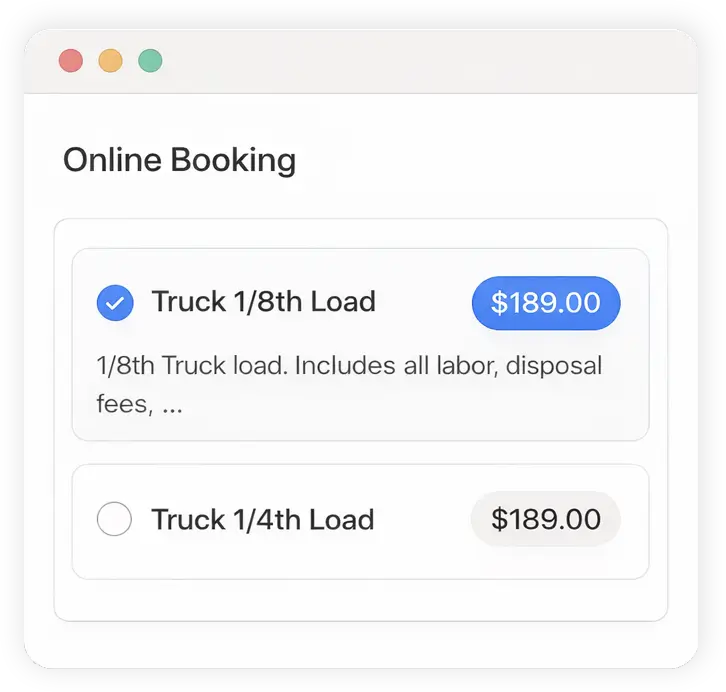
Let clients easily schedule services anytime with online booking that fills your calendar automatically and reduces back-and-forth with customers.
Boost your earnings by letting customers quickly add tips during checkout; no awkward conversations, just more revenue per job.
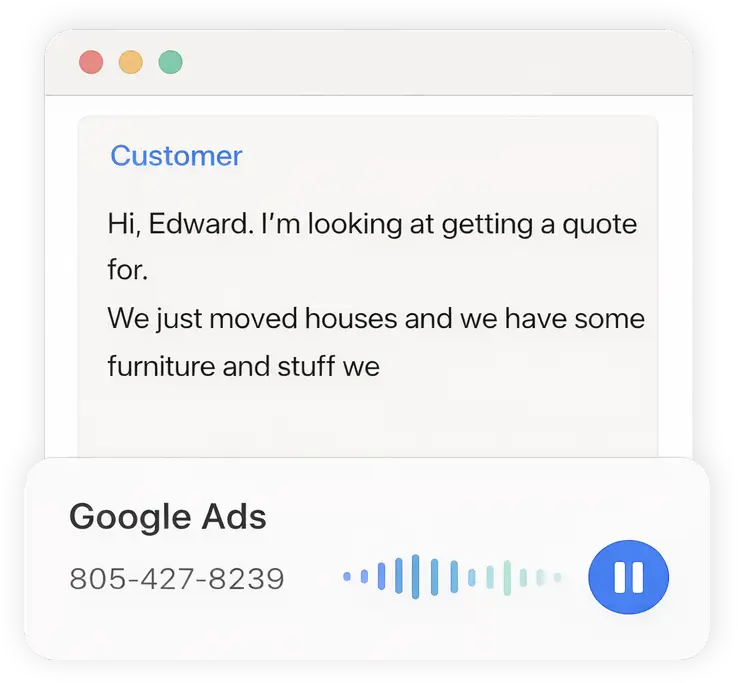
Stay connected with a phone system that tracks and records calls, follows up on missed calls, and shows advanced caller ID.
Real service pros have transformed their businesses with Autopilot by saving time, cutting admin work, and serving more customers with less stress. Swipe through their stories.
Autopilot includes multiple marketing tools, like SMS blasts and marketing sequences, to help you get the most out of your customer list.
Create your account and get set up in minutes; no complicated onboarding or tech headaches.
Upload your customer list so you can instantly reach people who already know and trust your business.
Send an SMS blast to past customers and watch new jobs come in without chasing leads or running ads.
Everything you need to run and grow your service business, without contracts or surprise fees.
$49/ month
1 team member included
The essentials
$119/ month
3 team members included
Everything in Run, plus
$299/ month
7 team members included
Everything in Grow, plus
Compare all three plans and add-ons
Need the hardware? Compare and order card readers
Top plans reach $599 at Jobber and $743 in Workiz's published example. Autopilot runs from $49 to $299.
| Top-plan comparison10-person team where published |  Scale, 7 team members$299/mo Scale, 7 team members$299/mo |  WorkizUltimate + Phone + AI$743/mo* WorkizUltimate + Phone + AI$743/mo* |  Housecall ProMAX setup for 10$513+/mo* Housecall ProMAX setup for 10$513+/mo* |  JobberPlus, 10 users$599/mo* JobberPlus, 10 users$599/mo* |
|---|---|---|---|---|
| Full business phone system | Included | Phone add-on | Voice add-on | Receptionist line only |
| AI Voice Assistant | Included | Genius Answering | CSR AI, quote | Included |
| Google Ads integration | Included | Call tracking add-on | Manual spend + Voice | Local Services booking |
| Bing Ads integration | Included | Not listed | Not listed | Not listed |
| Book Online button on Google | Included | Included | Included | Included |
| Review automation | Included | Included | Included | Included |
| Live employee GPS | Included | Included | Included | GPS waypoints |
| QuickBooks Online | Included | Included | Included | Included |
| Zapier integration | Included | Included | Included | Included |
| Public API | Included | Included | Included | Included |
* Research checked July 27, 2026. Autopilot Scale is $299 monthly with 7 team members included; additional users are $29/month each. Jobber is the regular flexible-monthly Plus price for 10 users. Housecall Pro is MAX for 10 users with entry Voice and Campaigns, before CSR AI. Workiz is its documented Ultimate + Phone + Genius Answering example. Promotions, usage, contracts, taxes, and quotes can change the final bill.
Real operators who run their businesses on Autopilot and show their work on YouTube.
Built by someone who dealt with real customers, real schedules, late payments, and messy workflows; then built the system he wished existed.




Marketing tools, online booking, analytics, the phone system, and a mobile app your crew will actually use, on iOS and Android.
Get more done in less time with tools that remove friction from your daily work.
Got questions? We've got answers.