Table of contents
One Monday, with a single truck running, my company cashed out $6,705 in sales and the crew walked away with a $534 tip on the last job of the day. That was not a fluke. The month I broke down on camera, my crews collected $10,238 in tips on about $142,000 in sales. Tips in junk removal are not a rounding error; they are a meaningful raise for your crew that customers volunteer to pay.
Here is the part most owners miss: getting more junk removal tips has almost nothing to do with asking. My crews never ask, never hint, never hover. We roughly doubled our tips year over year with one unglamorous change, and it happened at the payment screen, not on the driveway.
I have the before-and-after numbers from my own processors, and the playbook works in any home service. Let me show you.
Why tips matter more than you think
Tips feel like small money until you do the math on crew pay. A tech earning $20 an hour who splits a few hundred dollars in tips a week is suddenly making closer to $25, and you did not touch payroll. That gap shows up in morale, in retention, and in how your crew treats the next customer. Tipped crews hustle, and hustling crews get tipped. It compounds.
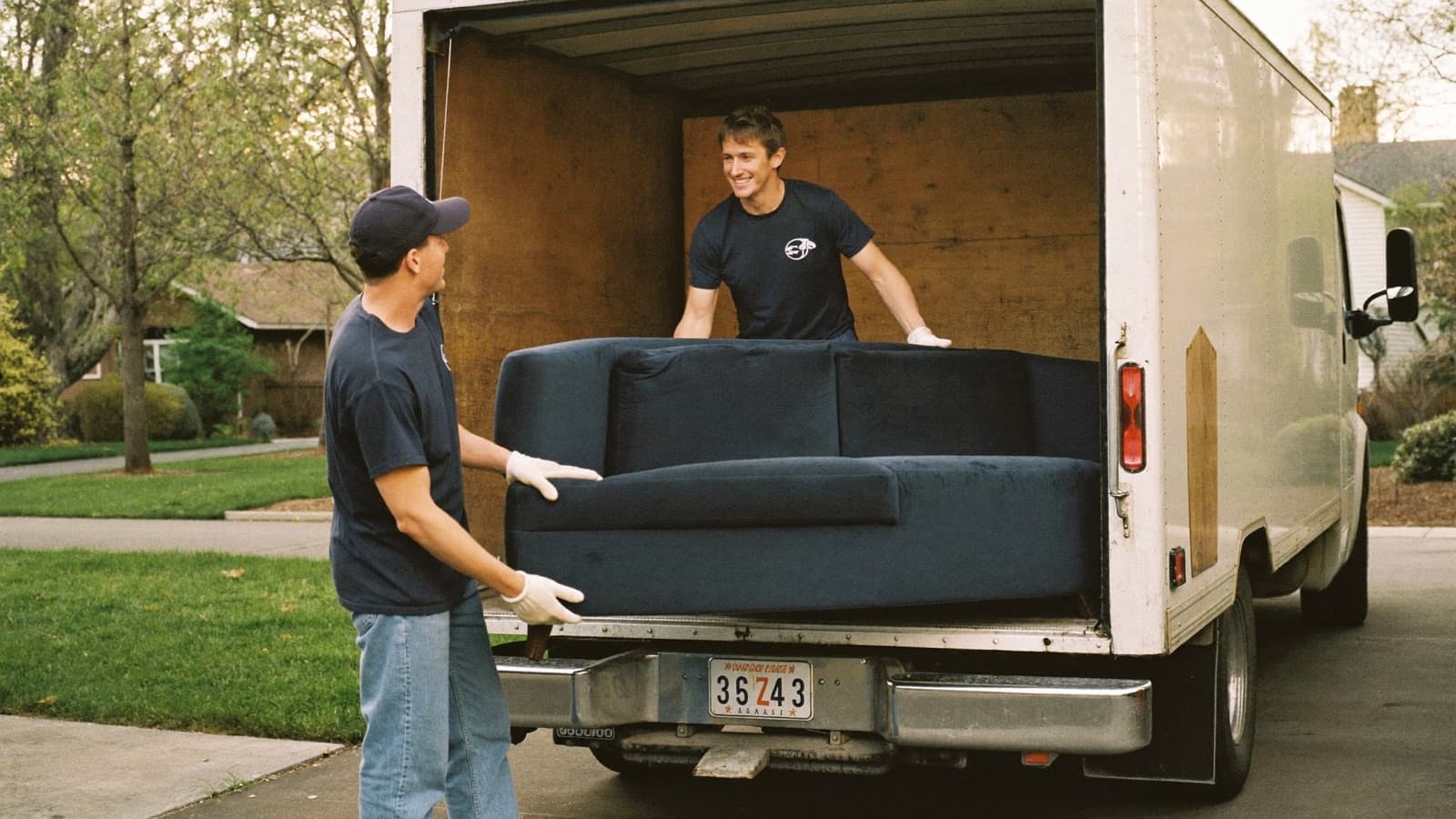
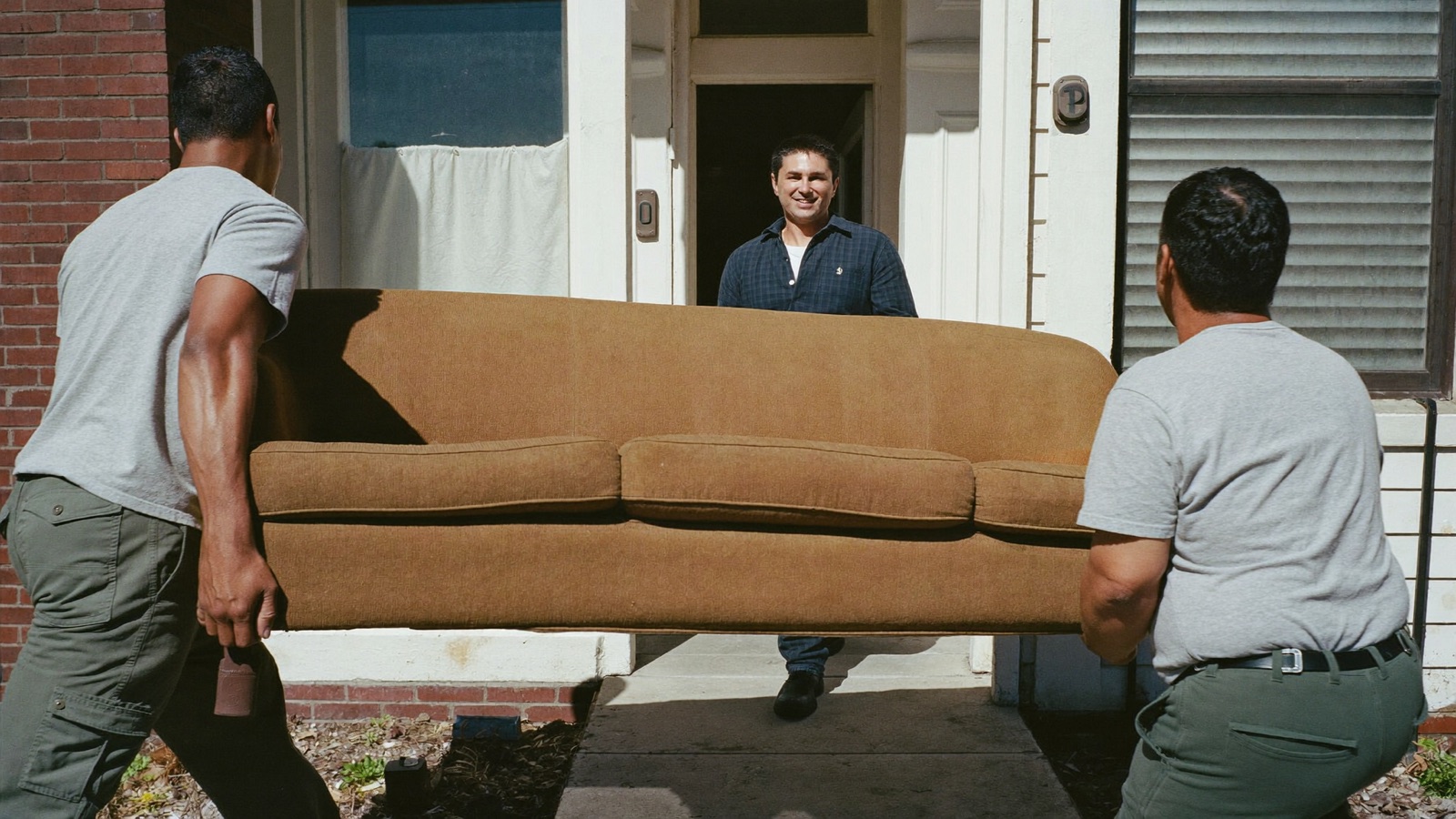
There is a culture war side too. Another operator once went off about how tipping junk removal crews is ridiculous, and my crew lead Chad answered it on camera from the truck: nobody is entitled to a tip, and nobody should be guilted into one. But when two guys hand-load 2.2 tons of roofing shingles in under two hours, plenty of customers genuinely want to say thank you with more than words. Over the years we collected single tips of $1,100, $1,000, and plenty in the $200 to $300 range. Refusing to make tipping possible does not make you humble. It just quietly cuts your crew's pay.
Never ask, never hover: the philosophy
The rule on my trucks was simple: we never ask for tips, never mention them, and never hover while the customer looks at the payment screen. Pressure poisons the whole thing. A guilted $20 tip costs you the five-star review and the referral that were worth ten times more.
Instead, the tip is earned upstream. Show up on time, in uniform, communicate clearly, sweep the area after loading, and treat the customer's junk with more care than they expected. Do that, and something funny happens: customers start asking YOU how to leave a tip. That question is the signal your service quality is where it should be. The machine's job is just to make the answer easy.
The payment screen is your best tipper
Now the lever that actually doubled our tips: the terminal itself.
My old setup was a Pax machine through PayAnywhere. The flow: insert the customer's card, process the payment, and only afterward show a tip and signature screen. By that point the transaction feels finished, and the tip reads as an awkward afterthought.
My Clover terminal flips the order. The tip screen appears BEFORE the card is inserted, tapped, or swiped, the same pattern Starbucks trained everyone on. The customer chooses a tip as part of paying, not as a bonus round after paying. Same crews, same service, same customers. Different screen order.
The results from my own processor reports:
| Machine | Net sales | Tips | Tip rate |
|---|---|---|---|
| Pax (Jan-Mar) | $120,376 | $4,587 | ~3.8% |
| Clover (lifetime at the time) | ~$673,000 | ~$53,000 | ~7.8% |
Roughly double, across hundreds of thousands of dollars in volume. In my best month that meant $10,238 in tips on $141,911 in net sales, money that went straight to the guys doing the lifting. I made a full video on exactly this at https://www.youtube.com/watch?v=ZaREn30P2nU.
This is the same reason Autopilot builds the tip prompt into tap to pay and our card readers: the order of screens is worth thousands of dollars a year to a working crew, and digital tipping should be the default, not an add-on.
A real terminal beats a phone number every time
The tip screen is the headline, but a dedicated payment terminal fixes a pile of quieter problems:
- It looks professional. A customer handing $800 to a company wants the payment moment to feel like a company, not a buddy typing digits into his personal phone.
- It protects card data. Employees keying card numbers into their own phones is a security problem waiting for a bad day.
- It prints receipts. A printed receipt on the spot kills most "can you email me an invoice" follow-up work.
- It beats Venmo and Zelle. Peer-to-peer apps make your business look like a side hustle and give you no clean records. I avoided them except in rare cases.
My stack was Clover as the device, BankCard USA as the merchant processor, and Chase as the bank, chosen for next-day deposits (even Saturdays). Fast deposits matter more than people think when fuel and dump fees go out daily.
And the fee objection: yes, card processing costs a few percent. Do not obsess over it. Raise prices slightly, add a small service charge if you must, and take the trade. Doubled tips, cleaner books, and faster deposits are worth more than the fee, and a cash-only operation loses far more in unbooked jobs than it saves in processing.
Train the crew: tips follow service
The terminal sets the ceiling; the crew sets the number. What we trained:
- Sell the whole job, kindly. On a two-bed apartment cleanout, we quoted the full cleanout at $1,195 instead of cherry-picking the bulky items. Bigger ticket, bigger base for the tip percentage, and the customer gets an actually finished job. The mechanics are in my on-site upsell playbook.
- Renegotiate scope changes honestly. A container job that was quoted at 19 containers turned out to be 39, and the price moved from $1,600 to about $3,100 with the customer's agreement before we lifted a finger. Customers tip crews who are straight with them; they stiff crews who surprise them at checkout.
- Finish strong. The last five minutes are the tip window. Sweep, walk the customer through what was done, and hand them the terminal with a smile and zero commentary.
- Let the crew keep the tips. All of it. The owner's payoff is retention and effort, and it dwarfs the tip money.
One more honest note: consistently big tips usually mean your service is outrunning your prices. Treat them as a signal to check your rates. Big tips are lovely; correct pricing is a business. That is a pricing sheet conversation, not a tipping one.
FAQ: junk removal tips
Do people tip junk removal crews?
Yes, more than most owners expect. On my Clover terminal, tips ran about 7.8% of net sales across hundreds of jobs, and my crews once collected $10,238 in tips in a single month. Individual tips ranged from a few dollars to $1,100.
How much should you tip junk removal?
There is no obligation, and a good company will never pressure you. Customers who tip commonly land between 5% and 10% of the job, or $10 to $20 per crew member on smaller jobs. For brutal work like hoarding cleanouts or heavy debris, generous customers go well beyond that.
How do I get my crew more tips without being pushy?
Fix the payment flow first: use a terminal that shows the tip option before the card is processed, not after. Then train service quality: uniforms, communication, clean finishes. Never ask or hover. In my company that combination roughly doubled tips year over year.
Should employees keep 100% of tips?
In my company, yes, always. Tips are the crew's reward for physically hard work, and letting them keep every dollar builds the effort and retention that make the owner far more than the tips are worth. Skimming tips is the fastest way to lose your best people.
Put your payments to work
Your payment screen is either earning your crew money or leaving it on the table. Autopilot's tap to pay and card readers put the tip prompt in the right place, deposit fast, and log every job automatically. Start a free trial or see pricing, and give your crew a raise you do not have to fund.