Table of contents
- The 8 reasons not to start a junk removal business
- The work is brutal, and sometimes disgusting
- The overhead nobody puts on TikTok
- Your customers disappear for two to three years
- Is junk removal a good business in a saturated market?
- Gross revenue is not profit
- Who should not start a junk removal business
- Why I still did it, and why I would again
- FAQ: is junk removal a good business
- Get the boring stuff off your plate
I built a junk removal company that grossed over a million dollars in its first year, got off the truck in six months, and sold the whole thing after two years and four months. So you would expect me to tell you that junk removal is a good business to start.
My honest answer: for most people asking, probably not. And I would rather lose you as a YouTube subscriber than watch you find that out with a truck payment and a maxed card.
The version of this industry you see on TikTok and Instagram is a highlight reel filmed by people who want to sell you a course. This is the other side: the eight reasons I tell people to walk away, followed by why I still did it and would do it again. Read both halves before you decide.
The 8 reasons not to start a junk removal business
Here is the short list, each one unpacked below:
- The work is physically brutal
- Some jobs are genuinely disgusting
- The overhead is heavier than it looks
- Residential customers do not repeat
- The market is saturating fast
- Good labor is hard to hire at wages the model supports
- Bad credit and thin capital cap your growth
- Getting off the truck takes far longer than anyone admits
If you can read all eight and still feel pulled toward it, that actually tells you something. That pull is roughly the job requirement.
The work is brutal, and sometimes disgusting
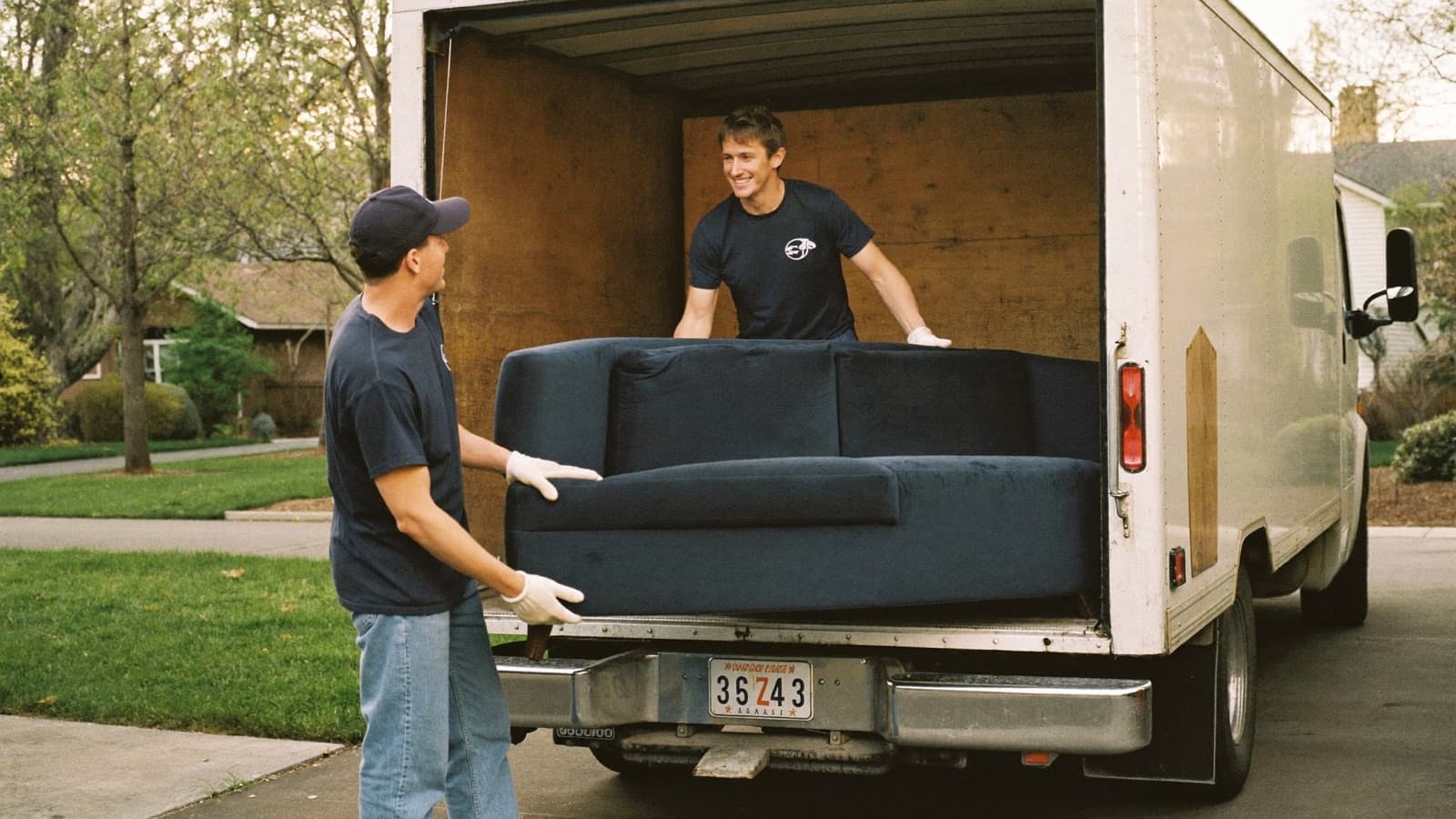
I was a software engineer before this. The identity shift alone was a workout. Junk removal is stairs, long carries, construction debris, and awkward furniture in tight hallways, every day, in whatever weather your city serves.
And then there are the jobs nobody posts. Hoarder houses. Bed bugs. Urine and feces. Dead rodents under the pile. Properties so packed you cannot see the floor. Someone has to clear them, and when you own the company and a crew member calls out, that someone is you. The upside is real: you get paid to exercise and the before-and-after satisfaction is genuine. But if the thought of a mattress with a history makes you gag, this is not your industry.
The overhead nobody puts on TikTok
A guy films himself collecting $500 for two hours of work and the comments fill with people quitting their jobs. What the video skips is the stack of costs behind that $500.
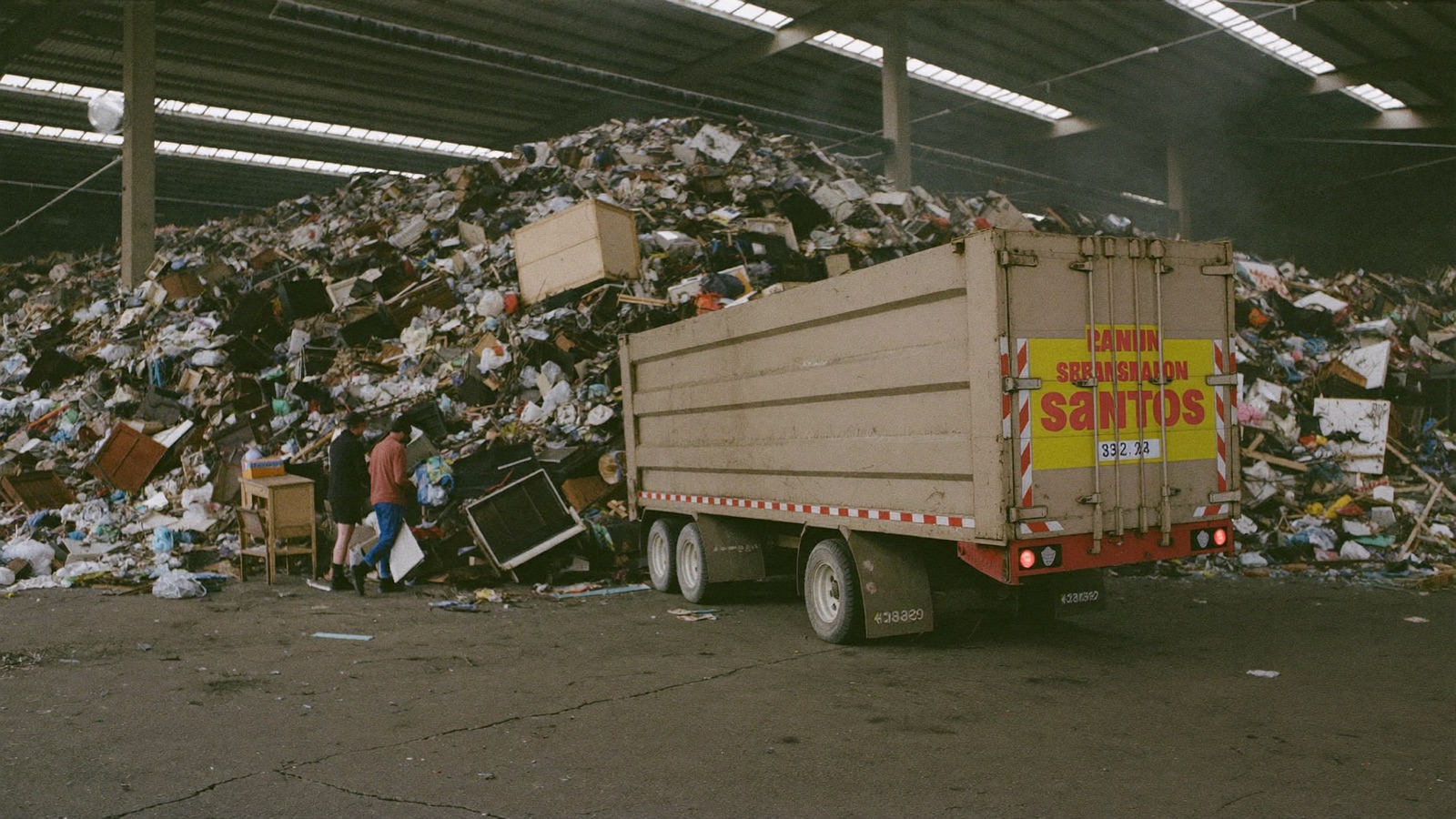
Workers comp. Commercial auto insurance. Payroll taxes. Dump fees on every single load. Gas, tires, repairs, towing. Trucks break, and one bad breakdown can erase a month of profit. A solo operator with a pickup keeps strong margins, but every step you take toward a real company adds a fixed cost that shows up whether the phone rings or not. Most of the operators I have watched fail did not fail at junk removal. They failed at math. Run your numbers before the truck does it for you, and track every leak; I catalogued the big ones in the 12 leaks killing your junk removal business.
Your customers disappear for two to three years
Here is the structural flaw in this business that almost nobody selling it will say out loud: a residential junk removal customer needs you about once every two or three years. This is not lawn care with weekly mows or cleaning with biweekly visits. You do a great job, they love you, and then they vanish for 30 months.
That means you need a constant flow of brand new leads forever, which is exactly why marketing skill matters more here than in repeat-service industries. The offset is commercial work: storage facilities, apartment complexes, property managers, hotels, assisted living and nursing homes all generate junk on a schedule. But do not assume you will land those accounts in month one, and know that commercial clients often pay net 30, net 45, net 60, sometimes net 90. Waiting three months for a check while fuel and payroll clear weekly is a cash flow education you do not want to get by surprise.
Is junk removal a good business in a saturated market?
Yes, it is saturating. I will not pretend otherwise. The barrier to entry is a rented Home Depot pickup and a Facebook post, and the creator economy has flooded the industry with new operators who watched the same twelve videos, some of them mine.
I spent around half a million dollars on ads across my run, so here are my own benchmarks for what saturation does to lead costs: junk removal clicks around $20 in some areas, my Google Ads conversions at roughly $55 each, and Google Local Services calls as high as $90. Thumbtack, Yelp, and Angi will happily sell the same lead to several of your competitors at once. And the old differentiators are dead: insured, uniformed, polite, on time is now the baseline everyone claims, not an edge.
The market still has room, but it has room for operators who out-market the crowd, not for people expecting demand to find them. Before you commit, study who you would be up against; our free junk removal business map shows you the companies already fighting for your zip code.
Gross revenue is not profit
When a creator says his junk removal business "did $600k" or "did $2 million," understand what you are hearing: a revenue number, chosen because it is the biggest number available. Nobody leads with net.
My own numbers, for the record: $2.2 million gross over 28 months at roughly 25% margins once the company was built out with crews, ads, insurance, and office staff. Solid money. Also nowhere near what "did $2.2 million" sounds like. The gap between those two numbers is where guru courses live, and it is why I tell people not to pay thousands of dollars to learn yard signs and Craigslist posting. I broke down my honest first-year numbers in how I built a $1,000,000 junk removal business if you want the unedited version.
Who should not start a junk removal business
Walk away, or at least wait, if more than a couple of these describe you:
- You cannot handle dirty, physical work for at least the first several months
- You have no cash cushion and need every dollar the business makes immediately
- You expect the business to run itself within a year
- You hate selling, marketing, and asking for reviews
- You are counting on repeat customers to sustain you
- Your credit is wrecked and you have no plan to fix it, because trucks, fuel cards, and dump fee float all run on credit as you scale
- You are doing it because a video made it look easy
None of these make you a bad entrepreneur. They make you a bad fit for this specific business right now, and there is no shame in picking a different fight.
Why I still did it, and why I would again
Now the other half. I started with about $4,000 during COVID with a newborn at home, and this industry saved me financially. Over a million dollars grossed in year one. Off the truck in six months, off the phones in eight, sold the company for real money after two years and four months. Every problem on the list above is real, and every one of them is beatable by an operator who treats this like a business instead of a side hustle.
The pattern I have seen over and over: the operators who win are the ones who acquire skills. They learn Google Ads themselves. They build the website. They do the walk-ins, put out the yard signs, answer every call, and systematize follow-up instead of blaming the economy when the phone goes quiet. Saturation punishes the passive, not the skilled. If that sounds like a challenge instead of a warning, start with my full playbook on how to start a junk removal business, and go in with your eyes open. I also made a full video on the case against this industry: 8 Reasons To NOT Start a Junk Removal Business.
FAQ: is junk removal a good business
Is junk removal a good business to start in 2026?
It can be, for the right person. The economics still work: low startup costs, strong solo margins, and real demand in every populated market. But saturation has raised the marketing bar, so it is a good business for people willing to sell and market aggressively, and a bad one for people expecting easy money.
Is the junk removal market too saturated?
It is saturating, especially in big metros, because the barrier to entry is so low. Lead costs have climbed: I saw $20 clicks, $55 Google Ads conversions, and LSA calls up to $90 in my own accounts. There is still room for operators who learn marketing skills and out-execute, but the days of showing up and winning by default are over.
How much do junk removal owners actually make?
Far less than the gross revenue numbers you see online. Solo operators can keep the majority of what they gross, while built-out companies commonly run much thinner; mine netted roughly 25% on $1M+ a year. Anyone quoting revenue without margins is marketing to you.
Is junk removal hard work?
Yes. It is physical labor with stairs, heavy furniture, and weather, and a percentage of jobs involve genuinely disgusting conditions like hoarder houses and pest-infested properties. Plenty of people find the work satisfying, but nobody should enter it expecting clean hands.
Get the boring stuff off your plate
If you read all eight reasons and still want in, you are probably my kind of operator. The winners in a saturated market are the ones who answer every call, follow up on every quote, and ask for every review automatically, and that is exactly the machine Autopilot gives you from day one. It was built for junk removal companies first, by someone who ran one. Start a free trial or see what it costs on the pricing page. Spoiler: less than one lost job.