Table of contents
- What 1-800-GOT-JUNK prices look like on the real sheets
- The truck math: what you are actually paying per cubic yard
- The item price list is an anchor, not the real price
- What a franchisee pays to corporate
- Franchise vs independent: the same junk, two prices
- When the 1-800-GOT-JUNK premium is worth it
- How operators should use these pricing sheets
- FAQ: 1-800-GOT-JUNK prices
- Compete with the big dogs without the franchise fee
I have 17 of 1-800-GOT-JUNK's pricing sheets sitting in a folder, collected from markets all over the country, plus a stack from Junk King and Junk Loggers. These are the sheets crews carry on the truck, the ones you only see for the thirty seconds it takes to sign. You were never supposed to browse them side by side. I did, because I spent years competing against these trucks with my own junk removal company in Los Angeles, and knowing exactly what 1-800-GOT-JUNK prices looked like in my market was worth real money to me.
Now it can be worth money to you, whether you are a customer trying to figure out if a quote is fair or an operator trying to figure out what your market will bear. I made a full video flipping through the sheets, and the whole collection is free inside Autopilot's tools: https://www.youtube.com/watch?v=a2fK764mOUs
Here is what the sheets actually say, the cubic yard math that makes them comparable, what a franchisee quietly sends back to corporate, and the honest answer on when the brand premium is worth paying.
What 1-800-GOT-JUNK prices look like on the real sheets
The structure is the same on every sheet: volume pricing. You pay for the fraction of the truck your junk fills, from a minimum charge up through quarter, half, and three-quarter loads to a full truck, with a standard item price list alongside.
The headline number from my home market: on the Los Angeles sheet, a full 1-800-GOT-JUNK truck ran just under $1,000. Everything below full load steps down from there, but not proportionally, and that is by design. A half load is always more than half the full-load price, on their sheets and on every honest independent's sheet too, because driving out a truck and two uniformed crew members costs the same whether they take one couch or everything in the garage.
Two caveats before you treat any of this as gospel. The sheets vary by market, because dump fees and labor costs vary by market. And they age: prices creep up more or less annually, so treat any sheet as directional rather than exact. The structure is the durable part, and the structure is what tells you how they think.
The truck math: what you are actually paying per cubic yard
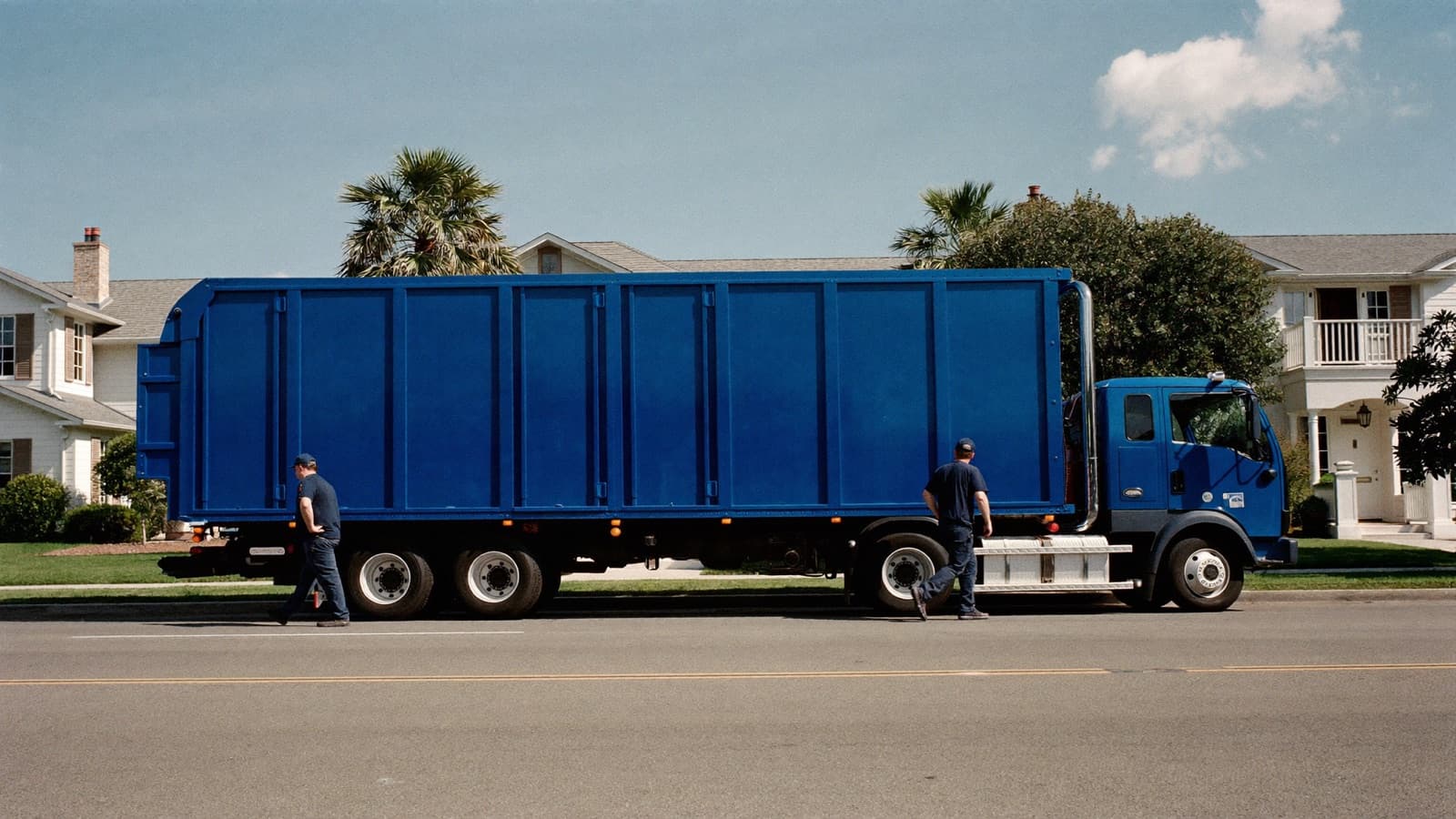
Here is the piece of arithmetic that turns a pricing sheet into something you can actually compare. A 1-800-GOT-JUNK truck bed measures about 10 feet long, 8 feet wide, and 5 feet high. Multiply those and divide by 27 and you get roughly 14.8 cubic yards of capacity.
Now the Los Angeles sheet makes sense: just under $1,000 for a full truck works out to roughly $66 per cubic yard. That single number, dollars per cubic yard, is how you compare any two junk removal quotes, no matter what size trucks they run. A "cheaper" full load in a smaller truck can easily cost more per cubic yard than the franchise. If you want to run the math on your own truck or your own pile of junk, the free cubic yard calculator does it for you.
For context on what real jobs cost across load sizes and markets, I put the full customer-facing breakdown in how much does junk removal cost.
The item price list is an anchor, not the real price
Almost every 1-800-GOT-JUNK sheet includes a standard item price list: what a couch costs, what a mattress costs, and so on. Customers read it as a menu. It is closer to a sales tool.

The item list works as price anchoring. Single-item prices are set high relative to the space the item takes, which makes the volume pricing feel like a deal by comparison. Once you have heard the number for hauling one couch, "fill a quarter of the truck for not much more" sounds great, and the average ticket climbs. It is smart selling, and to be fair, most successful independents do a version of it too. The franchises just do it with more discipline. My old competitor breakdown, what the big franchises are really selling and how they price it, goes deep on this psychology if you want the full anatomy.
As a customer, the defense is simple: if you have more than one or two items, think in truck fractions, not item prices, and ask every company what fraction your pile looks like.
What a franchisee pays to corporate
Here is the detail that explains the pricing gap between franchise and independent quotes. A 1-800-GOT-JUNK franchisee does not keep the whole invoice. A percentage of every job, think in the neighborhood of 7 percent in franchise fees, gets sent back to corporate headquarters in Canada, before the local owner pays for trucks, crews, insurance, fuel, and dump fees.
That money buys real things: the national brand, the call center, the marketing machine. But it has to come from somewhere, and the somewhere is your invoice. An independent operator with the same truck, the same insurance, and the same crew quality simply does not carry that line item. When I ran my company, that was literally part of my pitch: same professional service, and you are not shipping a cut of the job to another country.
Franchise vs independent: the same junk, two prices
I have seen this comparison from both sides, including as a paying customer. When I moved out of my own Los Angeles apartment, I hired an independent hauler and filmed the quote: half of his 14-foot box truck ran $528, three quarters ran $725, and the final bill for what turned out to be a half load was $540. Same city as that just-under-$1,000 franchise full load, professional crew, done in under two hours.
The pattern generalizes. Good independents in most markets price a notch below the franchise ceiling, and the best of them deliver identical service. The franchise sheets are the ceiling of the market; independents position against that ceiling. Which means the smart consumer move is to get a 1-800-GOT-JUNK quote as your benchmark, then at least one quote from a well-reviewed local independent. The junk business map is a free directory of independent junk removal companies if you do not already know who operates in your area.
When the 1-800-GOT-JUNK premium is worth it
I competed against this brand and I will still give it to you straight: sometimes the premium is rational.
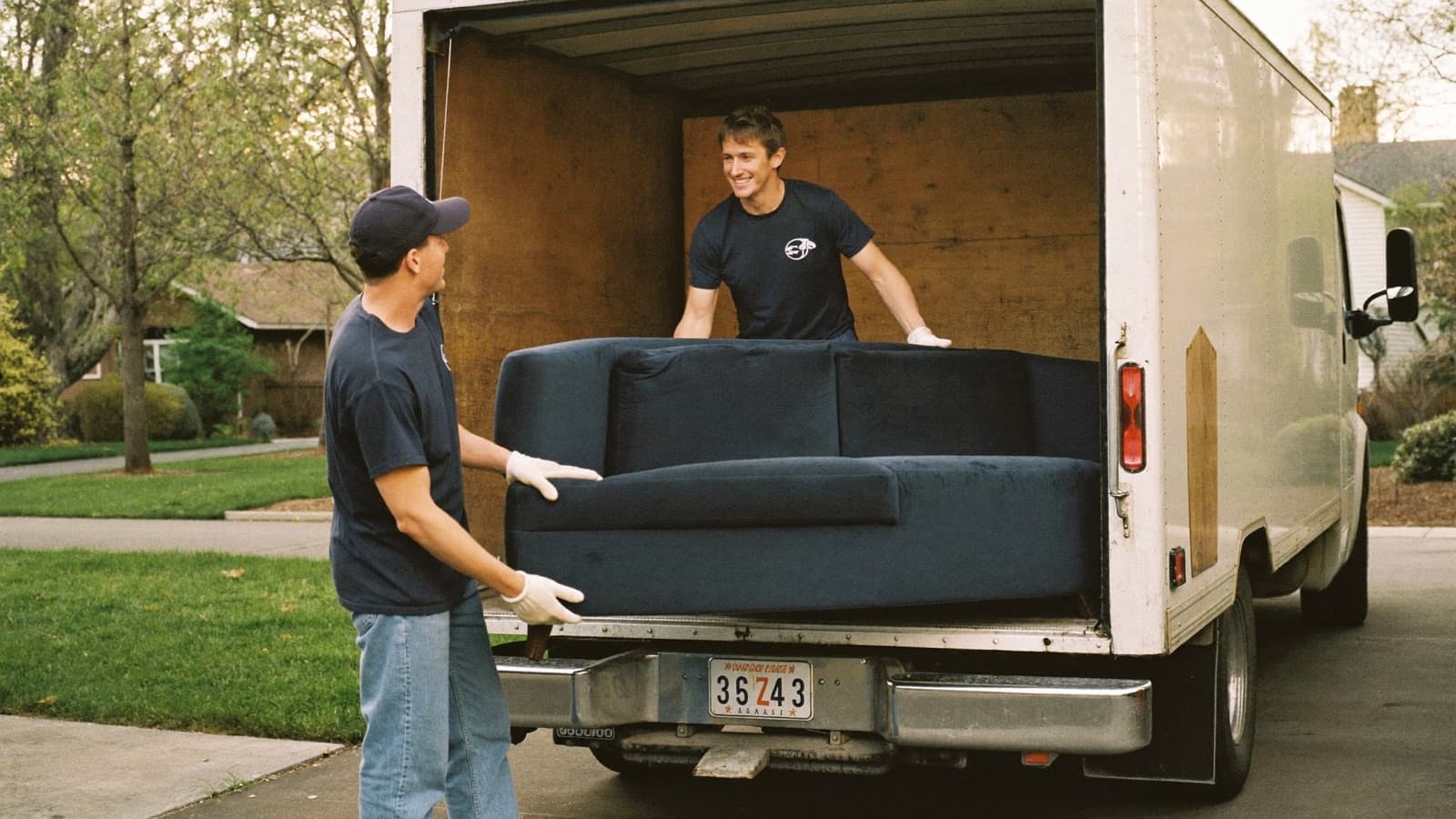
You are paying for certainty. A national franchise shows up in a clean truck with uniformed, insured crew members, on a scheduled window, with a call center answering the phone. If you are a property manager who needs zero surprises, an executor handling an estate from out of state, or anyone who has been burned by a no-show hauler, that certainty can be worth the difference on a $600 job.
You are overpaying when a strong local independent exists and you did not check. A well-reviewed independent with insurance and a real pricing sheet gives you the same outcome at the better number. The franchise premium buys down risk; if the risk is already low because the local operator has 300 five-star reviews, you are just donating the difference.
How operators should use these pricing sheets
If you run a junk removal company, the sheets answer the single most valuable question in pricing: what is the ceiling in my market? My take, which puts me at odds with half the advice in the Facebook groups: your prices should not be built up from your own bills. Customers do not care about your truck payment or your insurance premium. They care what the market charges, and the biggest brand's sheet is the cleanest picture of what customers in your area already accept.
So price to the ceiling, not to your costs. Watch your cost of goods sold on every job, cover the rest with volume, and position deliberately: match the franchise price if your reviews carry you, or chop off roughly what they send away in franchise fees and make local ownership the pitch. What you should never do is guess, and never race to the bottom against the cheapest unlicensed truck in town. I laid out the full system, sheet structure, load tiers, extra fees, and the sales script, in how to price junk removal jobs.
FAQ: 1-800-GOT-JUNK prices
How much does 1-800-GOT-JUNK charge for a full truckload?
It varies by market, but on the Los Angeles pricing sheet I collected, a full truck ran just under $1,000. Their trucks hold roughly 14.8 cubic yards, so that works out to about $66 per cubic yard. Cheaper markets run lower, and sheets age upward with inflation, so treat any specific number as directional.
Why does a half load cost more than half the full load price?
Because showing up is the expensive part. The truck, fuel, and two crew members cost the company the same whether they haul one dresser or a packed garage, so small loads carry a higher price per cubic yard on every sheet in the industry. If your pile is close to a full load, filling the truck is the best rate you will get.
Is 1-800-GOT-JUNK more expensive than local junk removal companies?
Usually, yes. Franchisees send a percentage of every job back to corporate and carry national-brand overhead, and their sheets generally sit at the top of the local market. Strong independents typically price below that ceiling for equivalent service. The exception is markets with weak independent options, where the franchise's reliability is genuinely worth the premium.
Does 1-800-GOT-JUNK negotiate on price?
The load-size price on the sheet is fairly firm, but junk removal quotes in general have soft edges: crews and franchise owners often have room on extra fees, and the range between load tiers is settled by how the truck actually fills. Getting a competing quote from a local independent is the most reliable negotiation tactic in this industry.
Compete with the big dogs without the franchise fee
The franchises win with systems: answered phones, clean scheduling, consistent pricing, and follow-up. Autopilot plans start at $49 a month, with the full phone and AI front office on Full Throttle at $149, no royalty attached. Check the pricing and start a free trial, keep the 7 percent, and go take their customers.