Table of contents
- The junk removal truck ladder: match the truck to your stage
- The best setup for committed beginners: pickup and dump trailer
- Box truck vs dump truck: the unloading problem
- My Isuzu NPR dump truck review
- What a junk removal truck really costs to run
- Used vs new: the $1,300 lesson I kept paying for
- Your truck size sets your pricing
- When to add truck number two
- FAQ: best truck for junk removal
- Get the boring stuff off your plate
People ask me one question more than any other: what is the best truck for junk removal? They want a make and model. The honest answer is that the best truck for junk removal depends on where your business is right now, and buying the wrong truck at the wrong time has killed more junk removal companies than any competitor ever will.
I ran Jedi Junk Removal in Los Angeles. We grossed over $1,000,000 in our first year and I was off the truck in 6 months. Along the way I used rented box trucks, a pickup, utility trailers, dump trailers, and Isuzu NPR dump trucks with custom racks. I financed equipment, sold a truck I regretted buying, and once spent $1,303.60 on tires before the crew ran a single job. Everything below comes from that experience, not a spec sheet.
One thing before we start: a truck does not create jobs. Marketing and sales create jobs. The truck just hauls what you already sold. Keep that straight and every buying decision gets easier.
The junk removal truck ladder: match the truck to your stage
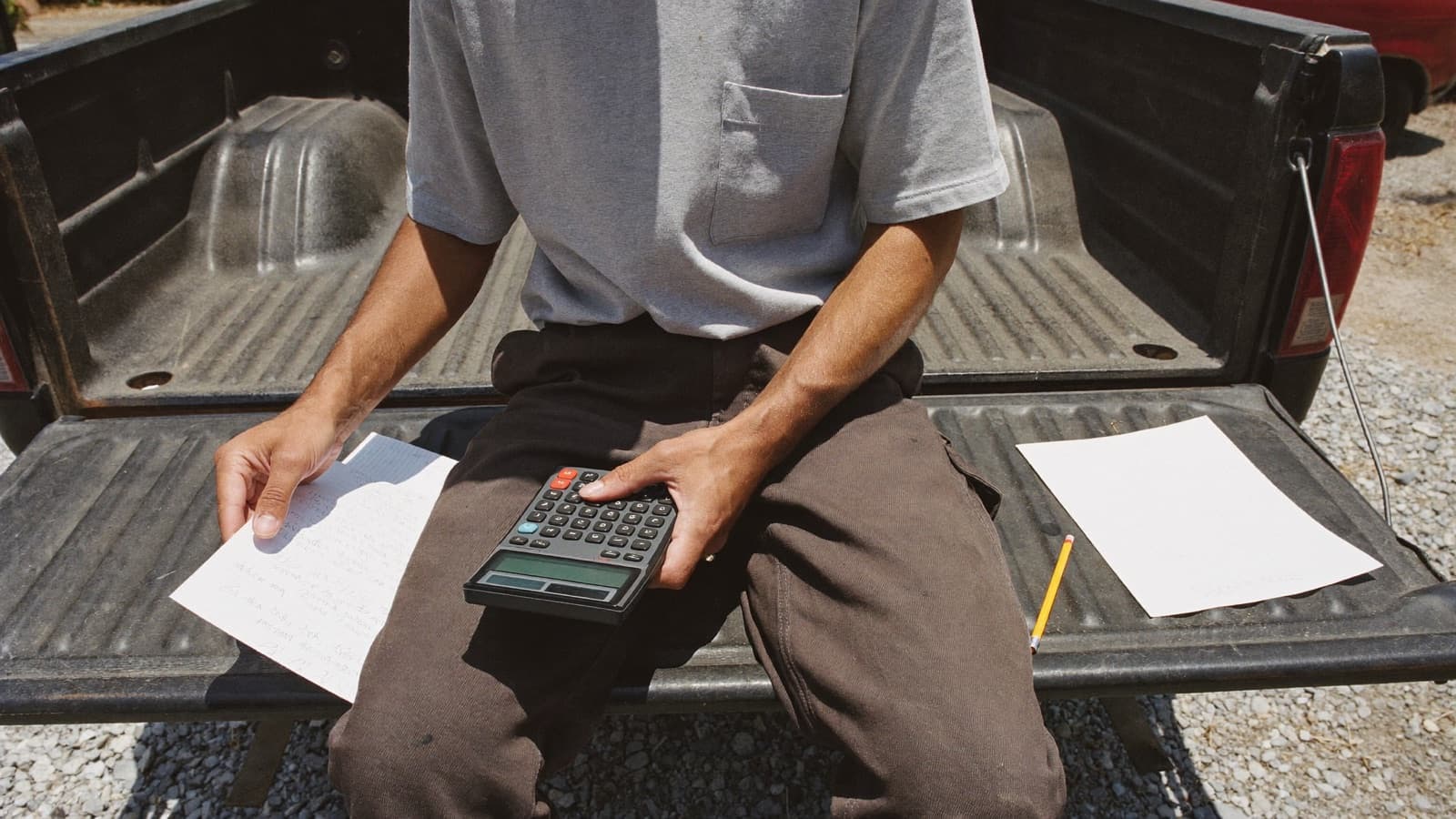
If you are broke, do not finance anything. A new operator who just watched a video about $1,000 days does not need a $60,000 truck. Payments plus commercial insurance plus inconsistent leads is exactly how new companies die. I have talked to plenty of operators who bought the truck first and figured the jobs would follow. The jobs did not follow.
Here is the progression I recommend, and it is the one I actually lived:
- Rentals or a borrowed truck. Book the job first, then rent. Compare Penske, U-Haul, and Home Depot in your market. For me, Home Depot's 24 hour rental on a small box truck was the cheapest option. U-Haul mileage fees add up fast. Prices vary by city, so call all of them.
- A basic pickup. Any major brand works: Toyota, Chevy, Ford, Ram. Avoid salvage titles and lemons, and have a mechanic check the truck before you hand over money.
- Pickup with plywood sidewalls. A cheap capacity boost that lets you take bigger jobs without new debt.
- Pickup with a utility trailer. Four foot walls hold furniture in place and save you from ratchet strapping every single load.
- Pickup with a dump trailer. The first setup that feels like a real company.
- A dump truck. The end goal, once the business has earned it.
Every step up the ladder should be paid for by job volume, not by hope. If you want the line by line startup budget, I broke down what it really costs to start a junk removal business in a separate post.
The best setup for committed beginners: pickup and dump trailer
Once jobs are coming in steadily, the pickup and dump trailer combo is my favorite early setup. A dump trailer around $8,000 to $9,000 can often be financed with a small down payment. I financed mine for $172 a month with bad credit, and that payment was easy to cover with one small job. The full story and math are in my dump trailer vs box truck comparison.
Two things matter before you buy a trailer. First, towing capacity. A 6x12x4 dump trailer weighs around 3,000 pounds empty, and a heavy load can add about a ton and a half. That puts you near 7,000 pounds of towing, so check your truck's rating. My F-150 was rated to tow 15,000 pounds, which gave us plenty of margin.
Second, know your real volume. A 6x12x4 trailer holds roughly 10.66 cubic yards, and cubic yards are what you price with. Advertised trailer dimensions sometimes include the wheelbase instead of the inside of the box, so measure the interior yourself. I got burned on that: I thought my trailer was wider than it was until I measured it months later. Run your numbers through our free cubic yard calculator before you build pricing around a trailer.
Box truck vs dump truck: the unloading problem
I started with a box truck, and a box truck bought at the right price can absolutely work. In colder markets it has a bonus use: you can run moving jobs during the slow winter season. But there is one problem that never goes away, and it is why I do not recommend box trucks long term for a junk-only company. Every load gets unloaded by hand.
Hand unloading wears crews out. Tired employees quit, and in this industry hiring and retraining is one of the biggest hidden costs you have. A dump trailer or dump truck unloads with a button. When I compared the two side by side, the dump function was not a luxury. It was an employee retention tool, and it gave us back hours every single week.
A dump truck is the top tier for junk removal. It is also the most expensive seat at the table: purchase price, repairs, and commercial insurance all step up. Do not start there unless you have serious cash, real lead flow, and a deal a mechanic has blessed.
My Isuzu NPR dump truck review
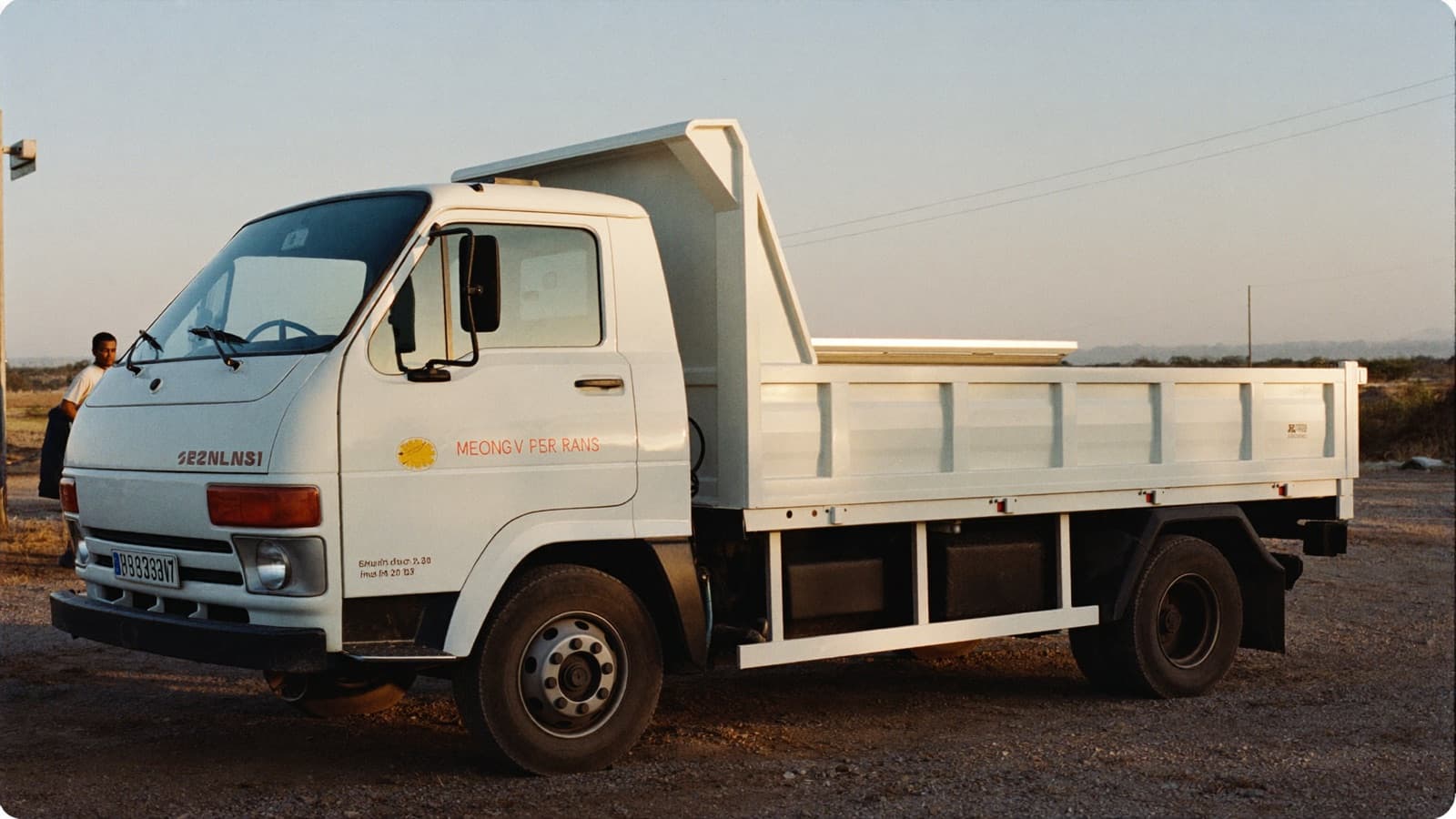
If you have watched my channel you know I ran Isuzu NPR dump trucks, and the cab-over design is the reason. The cab sits over the engine, so there is no long hood in front of you. Visibility is great and the turning radius is better than any vehicle I have used. In Los Angeles, with tight streets and cramped apartment complexes, that maneuverability paid for itself constantly.
The other underrated benefit: training. A dump trailer has a learning curve, and every time an employee quits you retrain the next one on towing and backing. The NPR drives like a normal vehicle. Mine did not require a CDL, just a regular driver's license. My partner drove ours five hours on her first day behind the wheel when we brought it across the country.
Dump bodies are built separately from the chassis, so no two used trucks are set up the same. Mine measured 14 feet by 7 feet by 4 feet. I customized it heavily: a welder I found on Yelp added ladders, a rack over the body, a ramp, and an underbody toolbox for around $4,000 in fabrication, with the rack alone about $1,500. Stereo, backup camera, and dash cam ran another $1,500 to $2,000. Call it $6,000 in upgrades on top of the truck. Worth it for us, but only because the trucks were already busy. I made a full video review of the truck if you want the walkthrough: my Isuzu NPR review.
Now the cold water. Commercial insurance on my 2012 NPR was about $800 a month with a perfect driving record, and depending on the truck and your record you should expect $800 to $1,500 a month. My rule of thumb: if you are not sitting on around $50,000, you have no business buying a dump truck yet, even a used one.
What a junk removal truck really costs to run
Here is a day from my books that every truck buyer should see. We had just done over $10,000 in sales across Monday and Tuesday. Wednesday started with $100 in fuel, $104 at the dump, and $1,303.60 for six new tires after a blowout the day before. The crew salvaged the day with three small jobs and finished at $640 in sales plus $128 in tips. Before labor, the day was deep underwater. That is normal. Trucks do not care what you grossed yesterday.
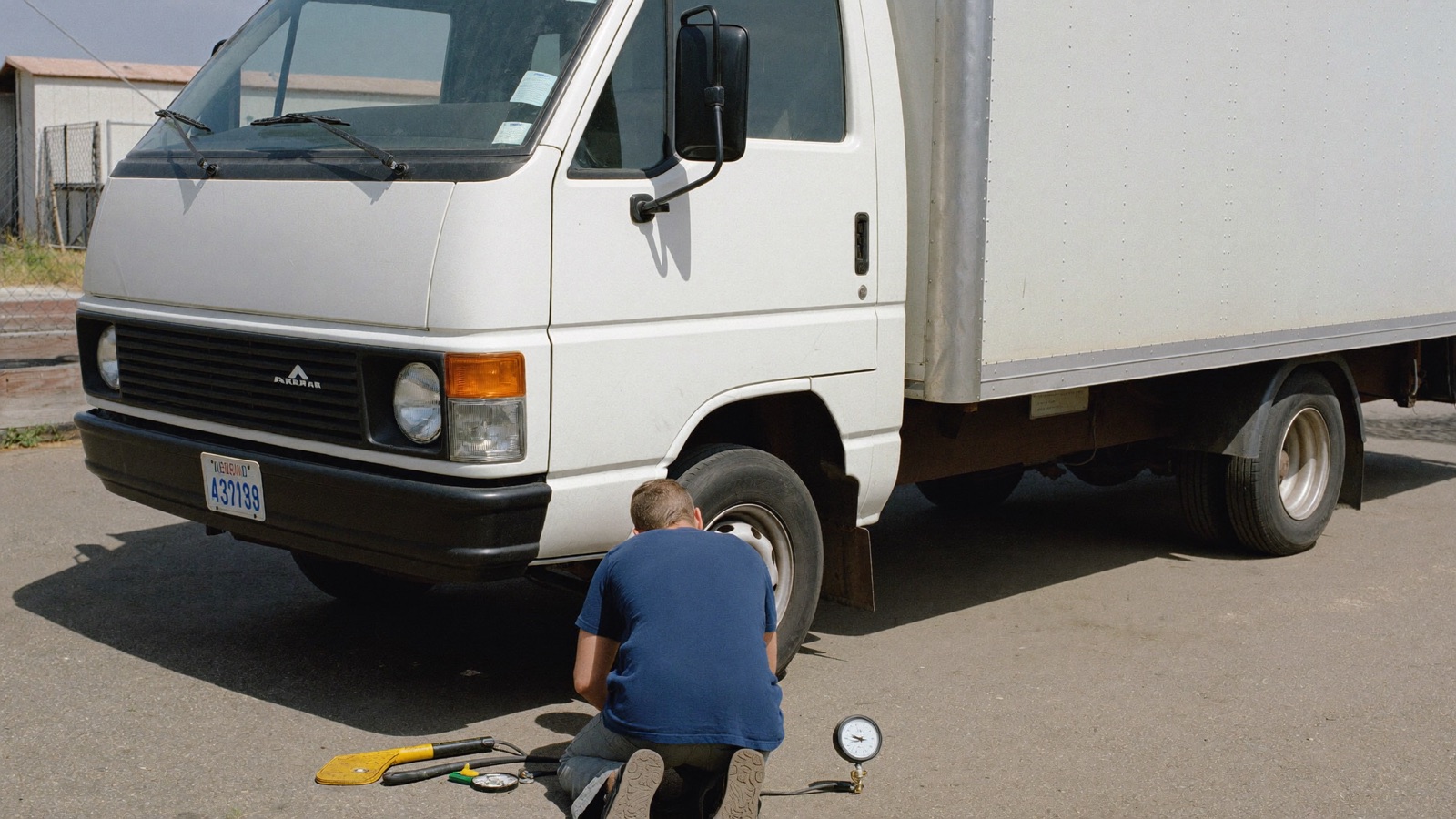
Another one: a trailer tire popped on the highway in Ventura. Roadside assistance refused to touch a trailer. The crew did not know how to change a trailer tire, so I called an off-duty employee, rescheduled four customers, and paid two guys to stand on the shoulder for two hours. Since that day I tell every operator the same thing: train crews to change trailer tires, and line up three vendors before you need them. A tire shop that stocks your size, a hydraulic repair person for the dump system, and a mechanic who knows your truck model.
We also did our own basic maintenance, including oil changes on the NPRs, and kept checklists so small problems got caught in the morning instead of on a customer's driveway. Downtime is not a repair bill. It is rescheduled customers, idle payroll, and a dispatch board on fire.
Used vs new: the $1,300 lesson I kept paying for
I bought used 2012 Isuzu dump trucks and did the diligence. Inspections, test drives, known fixes priced in. They still ended up in the shop more times than I can count, and one of them was bad enough that I sold it.
So here is the math that changed my mind. A used truck payment might be around $500 a month. A new truck might be around $1,000. In Los Angeles a full load ran about $1,000, and our average ticket was around $440, up from roughly $350 to $400 when we started. One extra job a month covers the payment difference, and a new truck does not eat your calendar with breakdowns. We made the same call on our first F-150: new at $1,069 a month instead of used at $500 to $700, and looking back it was worth it.
The qualifier matters: this only applies if you are all in. If you are testing the business, stay at the bottom of the ladder and keep your fixed costs near zero.
Your truck size sets your pricing
Whatever you buy becomes your pricing unit. Junk removal is priced by volume, in fractions of a truck, so the size of your box decides what a half load means. Length times width times height in feet, divided by 27, gives you cubic yards. The 1-800-GOT-JUNK reference truck is around 10 by 8 by 5 feet, roughly 14.8 cubic yards, which is a useful benchmark when you compare your prices to theirs.
One warning from experience: do not buy a truck that is much bigger than your competitors' trucks without thinking through the phone call. Customers hear your full load price, not your cubic yardage. A fair price on a giant truck sounds expensive to someone comparing three quotes, even when it is the better deal.
When to add truck number two
The second truck is not a milestone, it is a math problem. I only recommend it when three things line up: your first truck is consistently full, your lead flow can actually feed a second crew, and your market still has demand you are leaving on the table. If your city is maxed out on search volume, the answer might be a second city instead of a second truck.
Managing two trucks is a systems game. We ran GPS trackers on everything, which gave dispatch live locations, idle time, driving behavior, and even engine trouble codes. Autopilot has GPS tracking built in for exactly this reason: once you cannot see both trucks from the driver's seat, the software becomes your window. I wrote a whole post on when to launch truck two and how to manage multiple crews if you are at that stage.
If you want more depth on all of this, I made a long video called Everything I Know About Junk Removal Trucks: watch it here.
FAQ: best truck for junk removal
What is the best truck to start a junk removal business?
The cheapest one that can do the work. Start with a basic pickup, add plywood sidewalls or a small utility trailer, and rent a box truck for oversized jobs. Move up to a dump trailer once jobs are steady. Buy a dump truck last, after the business has proven it can keep one busy.
Do you need a CDL to drive a junk removal dump truck?
My Isuzu NPR did not require one. It drove on a regular license, which made hiring and training much easier than a truck and trailer setup. Weight ratings and rules vary by state and truck, so verify the requirements for the specific vehicle before you buy.
How much is commercial insurance on a junk removal truck?
Plan on $800 to $1,500 a month for a dump truck, depending on the truck's age and your driving record. Mine was about $800 a month on a 2012 NPR with a clean record. Smaller pickup setups cost less to insure, which is another reason to start lean.
Is a box truck good for junk removal?
It can be, especially at a good purchase price, and it doubles as a moving truck in slow seasons. The downside is hand unloading every load, which burns out crews over time. If junk removal is the whole business, a dump trailer or dump truck will serve you better long term.
Should I buy a used or new junk removal truck?
If you are fully committed, seriously consider new. My inspected used trucks still lived in the shop, and the payment difference between used and new was about one job per month in my market. If you are still testing the business, buy nothing expensive at all.
Get the boring stuff off your plate
The truck hauls the junk. Everything around it, the booking, dispatch, GPS, invoices, and follow ups, is what actually decides whether the truck stays full. Autopilot plans start at $49 a month, with GPS and the complete growth toolkit on Full Throttle at $149, still less than one set of trailer tires. Start a free trial or look at pricing and see what your day looks like with the office work automated.