Table of contents
When I launched my second junk removal truck, my first truck was doing $40,000 to $50,000 a month in revenue and $10,000 to $15,000 a month in profit. That sounds like the perfect setup for truck #2. It still nearly wrecked me.
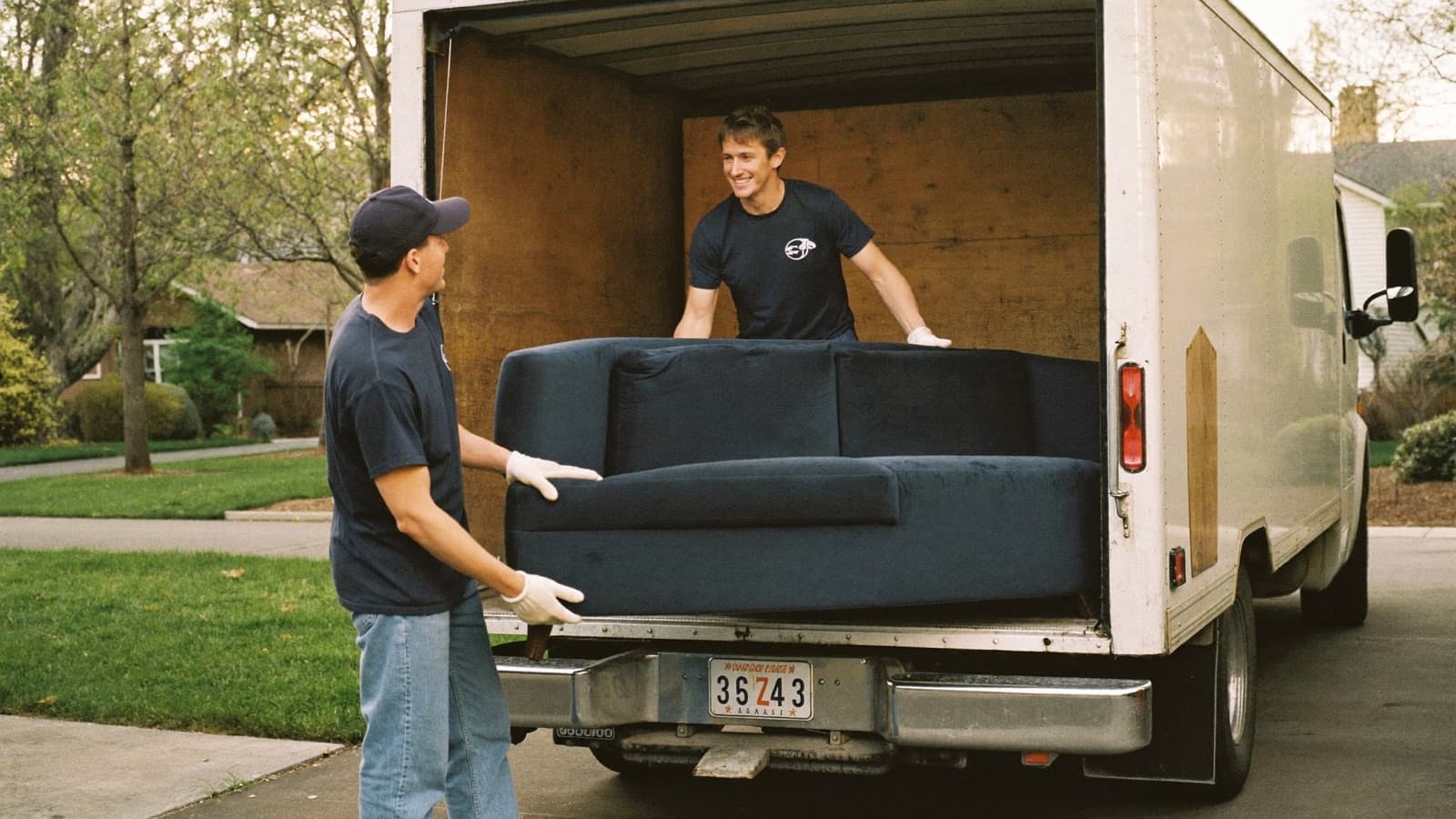
I bought a used Isuzu with a high-interest merchant cash advance style loan carrying around $4,000 a month in payments, got hit with repair bills almost immediately, and at one point lost four employees at once and had both trucks parked. The second truck worked out eventually, but only because the demand was real and I survived the chaos in between.
So if you're asking when to buy a second truck for your junk removal business, I'll give you the honest answer I learned the expensive way: the truck is the easy part. Lead volume, people, and financing are what decide whether truck #2 prints money or eats it.
The Real Signal Is Lead Volume, Not Truck Capacity
Everyone watches the wrong gauge. Owners see a full schedule and think capacity problem, buy a truck. But a second truck doesn't create demand, it just splits your existing demand across twice the payments.
Here's the thing about a one-truck ceiling: it varies wildly by market. One city supports $300k a year per truck, another $400k or $500k, a dense market can push $1M. My own two locations did roughly $500k each. The ceiling isn't the truck, it's how many people in your service area are searching for junk removal and how much of that demand you already capture.
The question that matters before truck #2: where do the next 30 jobs a week come from? If your Google Ads are already maxed out on the available search volume in your city, and they were for me in Ventura County, then a second truck in the same city starves unless your slower channels have matured. Referrals, repeat customers, and SEO can absolutely feed a second truck, but those channels take months to years to build. They don't switch on because you signed a loan.
I made a full video on why every junk removal business hits this ceiling: https://www.youtube.com/watch?v=jLhXdnmsxMA
My Truck #2 Story: What Not to Copy
The demand side of my expansion was sound. Ventura's search volume was capped, my first truck was busy seven days a week, and Los Angeles sat next door with a much bigger ad inventory. So the second truck went to LA.
The execution was a mess, and I own that:
- I financed a used Isuzu through a high-interest MCA style loan, roughly $4,000 a month in payments. MCA lenders will approve you fast precisely because the terms are brutal.
- Being a used truck, it needed repairs almost immediately, and then more major repair bills after that. Payments plus repairs on a truck that has to earn from day one is a vice grip.
- Then the people side blew up: I lost four employees at once, and for a stretch both trucks stopped running entirely. Two truck payments, zero trucks moving.
It recovered because LA demand was real and my ads there worked. But I gambled, and I tell you that so you can get the same outcome without the casino. If your money math is shaky, run your numbers through a proper COGS calculator before you sign anything, and whatever you do, stay away from merchant cash advances.
The Checklist Before You Launch Truck #2
Here's what I'd want true before adding a truck, based on doing it wrong:
- Truck #1 is consistently full. Not one good month. Booked solid, week after week, with jobs you're turning away or pushing out.
- You know where truck #2's leads come from. A specific answer: untapped ad budget, a neighboring city, matured referral and repeat volume. Hope is not a lead source.
- The financing is sane. Real equipment financing or cash, not an MCA. My $4,000 a month loan payment meant the truck had to gross hard before it fed me a dollar.
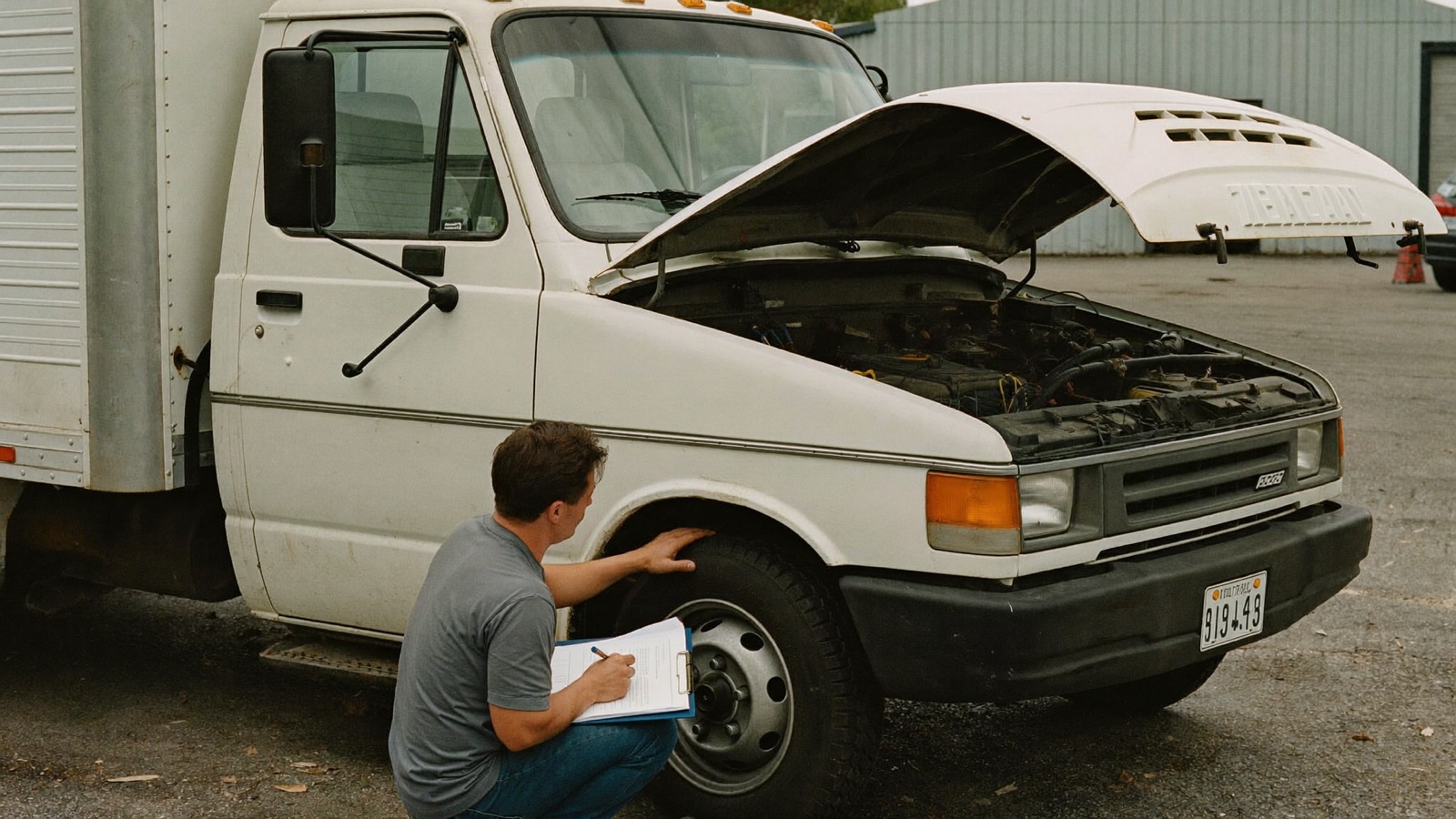
- You have a repair cushion. Used trucks break in month one, it's practically a law. If one $3,000 repair bill would sink you, wait.
- You have crew depth. Losing one person shouldn't park a truck. Keep your hiring funnel warm even when you're staffed, because I learned what happens when four people leave at once.
If you're still choosing what that second vehicle should even be, I wrote a full breakdown of the best truck for junk removal covering all six equipment setups.
Same City or New City?
This is the fork in the road, and the right answer depends on your search volume.
Same city works when you're capturing demand you currently turn away, or when your repeat and referral base has grown enough to feed a second crew. It's operationally easy: same yard, same dumps, same management. But if your paid channels are already maxed, truck #2 in the same city just cannibalizes truck #1.
A new, bigger city resets the ad inventory. That's what LA gave me: fresh Google Ads demand my Ventura truck couldn't touch. But understand what you're signing up for. A second location needs capital, credit, travel, and management overhead. My two locations were an hour and a half apart, and running both meant real windshield time, a strong local lead in each spot, and systems that didn't need me standing in the yard. With family obligations, multi-location is genuinely hard.
For scale reference: I estimate a full-time junk removal truck conservatively produces around $400k a year in a decent market. When I sketched what a $3M junk removal company looks like, the math came out to 7 or 8 full-time trucks across multiple large markets. Small towns can't feed multiple trucks, period. Your growth map is your ad inventory map.
Ride the New Truck First
One rule I'll defend hard: the owner should be on truck #2 when it launches, until the ads and operations stabilize.
Not forever, and if you've already earned your way off the truck, that seat probably feels like a demotion. Ride anyway, for a few weeks. A new truck in a new territory generates problems nobody else can triage yet: which dumps are cheapest and open weekends, which neighborhoods tip, how long the freeway really takes at 8 a.m., whether the new crew actually works the way your first crew does. You'll fix in two weeks on the truck what would take two months of confused phone calls from the office.
While you're out there, you're also training your future lead for that truck. My playbook for a new market became: go there, hire strong local people, work the crew myself for a couple of weeks, then groom the best one into a team lead.
How to Manage Two Crews Without Losing Your Mind
One truck runs on your memory. Two trucks need instruments. My multi-truck stack, built piece by piece:
- GPS tracking on both trucks, so dispatch can see where everyone actually is instead of asking
- Digital vehicle inspections with photos every morning and night, so a $1,300 surprise doesn't hide until it strands a crew
- A group chat per crew, so each truck's route, photos, and receipts live in one thread
- Time clocks with verification, cross-checked against GPS
- A schedule that both crews and the office see live
The modern version is a lot cleaner than my duct-taped setup. Software with scheduling that shows both crews side by side, map routing so jobs get assigned by geography instead of vibes, and built-in GPS tracking replaces four subscriptions and a prayer. Dispatching two trucks from a map view is a different sport than dispatching from a whiteboard.
Expect a margin dip when truck #2 launches. Nearly everyone hits it: new payments, new payroll, repairs, and a lead engine still ramping, all before the truck runs at full utilization. Mine came with $4,000 monthly payments and repair bills stacked on top. Budget for the dip so it doesn't panic you into bad decisions, and track it honestly so you know when the truck turns the corner. Expansion under pressure is where owners spring most of the money leaks that kill junk removal businesses, so watch your numbers weekly during the ramp.
FAQ: Buying a Second Junk Removal Truck
How much revenue should one truck do before adding a second?
There's no magic number because per-truck ceilings vary by market, but you want truck #1 consistently full and profitable, not just busy. Mine was doing $40k to $50k a month in revenue with $10k to $15k in profit before I expanded. More important than the revenue figure is knowing exactly which lead source will feed the second truck.
Should my second truck be new or used?
Used saves capital but budget seriously for repairs, because my used Isuzu needed them almost immediately and kept needing them. A payment on a reliable truck can beat a cheaper payment on a truck that's in the shop. Whichever way you go, use real equipment financing, never a merchant cash advance.
Can I run two junk removal trucks in a small town?
Usually not year-round. Small markets often can't generate enough search demand to keep two trucks full, which is why the smarter expansion from a capped market is a second location in a bigger nearby city. Check your Google Ads impression data: if you're already capturing most available searches, the town is telling you its ceiling.
Do I need dispatch software for two trucks?
You need shared visibility, whatever tool provides it. Two crews, two routes, arrival windows, and same-day changes outgrow a whiteboard immediately. GPS plus a live schedule plus a map view is the minimum: the office needs to know where both trucks are and what's next without calling anyone.
Get the boring stuff off your plate
Truck #2 doubles your jobs and quadruples your coordination. Autopilot plans start at $49 a month for the live schedule and route map, with live employee GPS on Full Throttle at $149, built by a guy who ran a two-location fleet the hard way. Start a free trial or look at the pricing before your next truck hits the road.