Table of contents
- The 100 Yard Sign Experiment
- The Results: 43 Calls, 10 Bookings, $7,460 in Sales
- How I Knew Every Call Came From the Signs
- Placement Strategy (and the $130 Tool That Makes It Faster)
- Are Yard Signs Legal?
- When Yard Signs Beat Ads (and When They Don't)
- FAQ: Yard Signs for Home Service Businesses
- Put a number on everything
In summer 2023 I spent $338.51 on 100 yard signs for my junk removal company in Los Angeles. Over the next month those signs produced 43 phone calls, 10 jobs booked over the phone, and $7,460 in sales. That is about a 22x return on the sign money.
So do yard signs for business actually work? For me, yes. But before I ran that test I went looking for real numbers and found nothing. Not one video, not one article with actual counts of signs placed, calls received, and revenue booked. Just recycled advice from people who never put a stake in the ground.
So I ran the experiment myself, tracked every call with a dedicated phone number, and wrote it all down. This is the breakdown I wish existed when I was deciding whether yard signs were worth the money.
The 100 Yard Sign Experiment
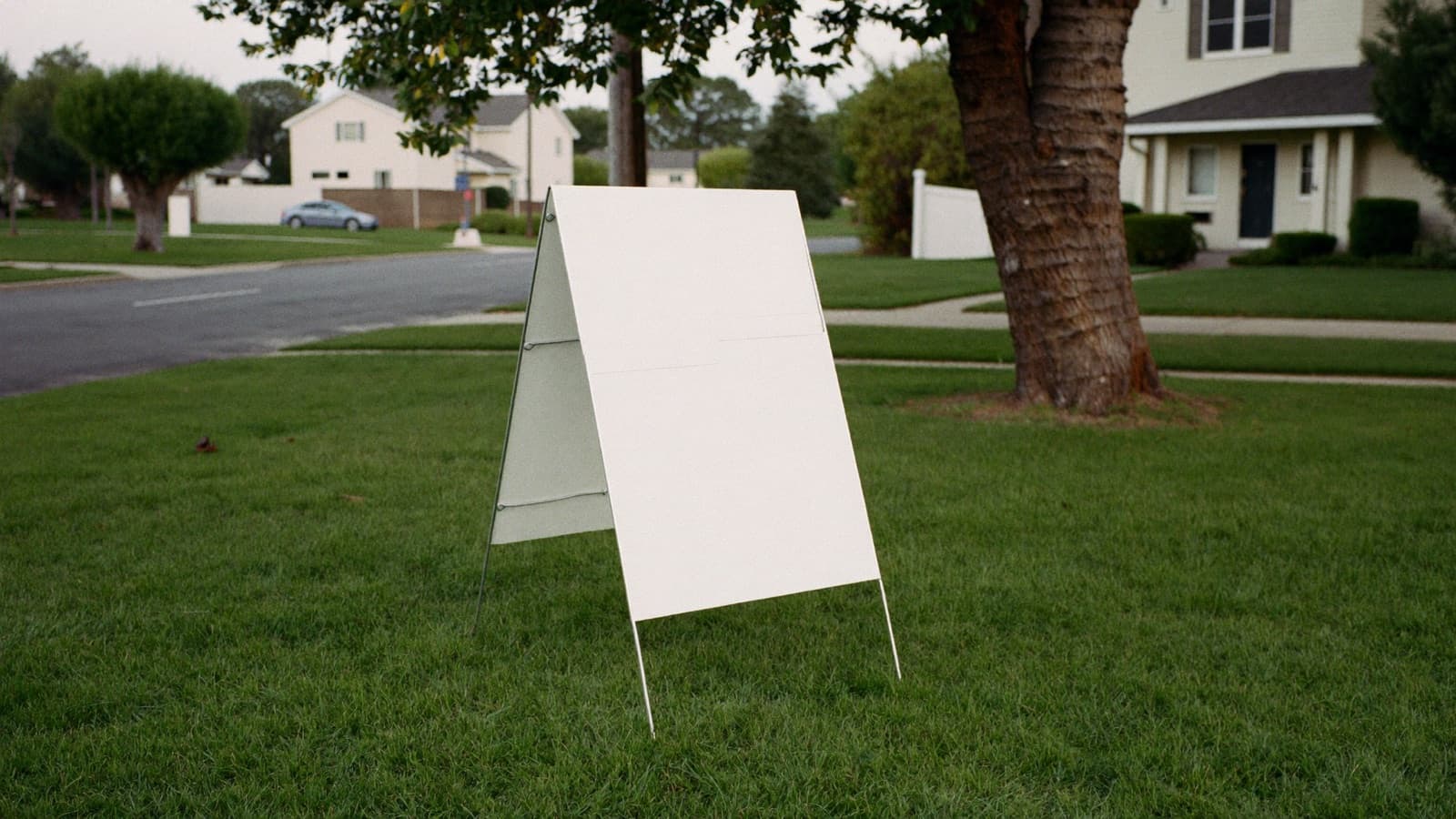
Here is the exact setup. I ordered 100 double-sided 18x24 yard signs with 24 inch metal stakes from UZ Marketing. Total cost: $338.51 including shipping. One color. Big text. Nothing fancy.
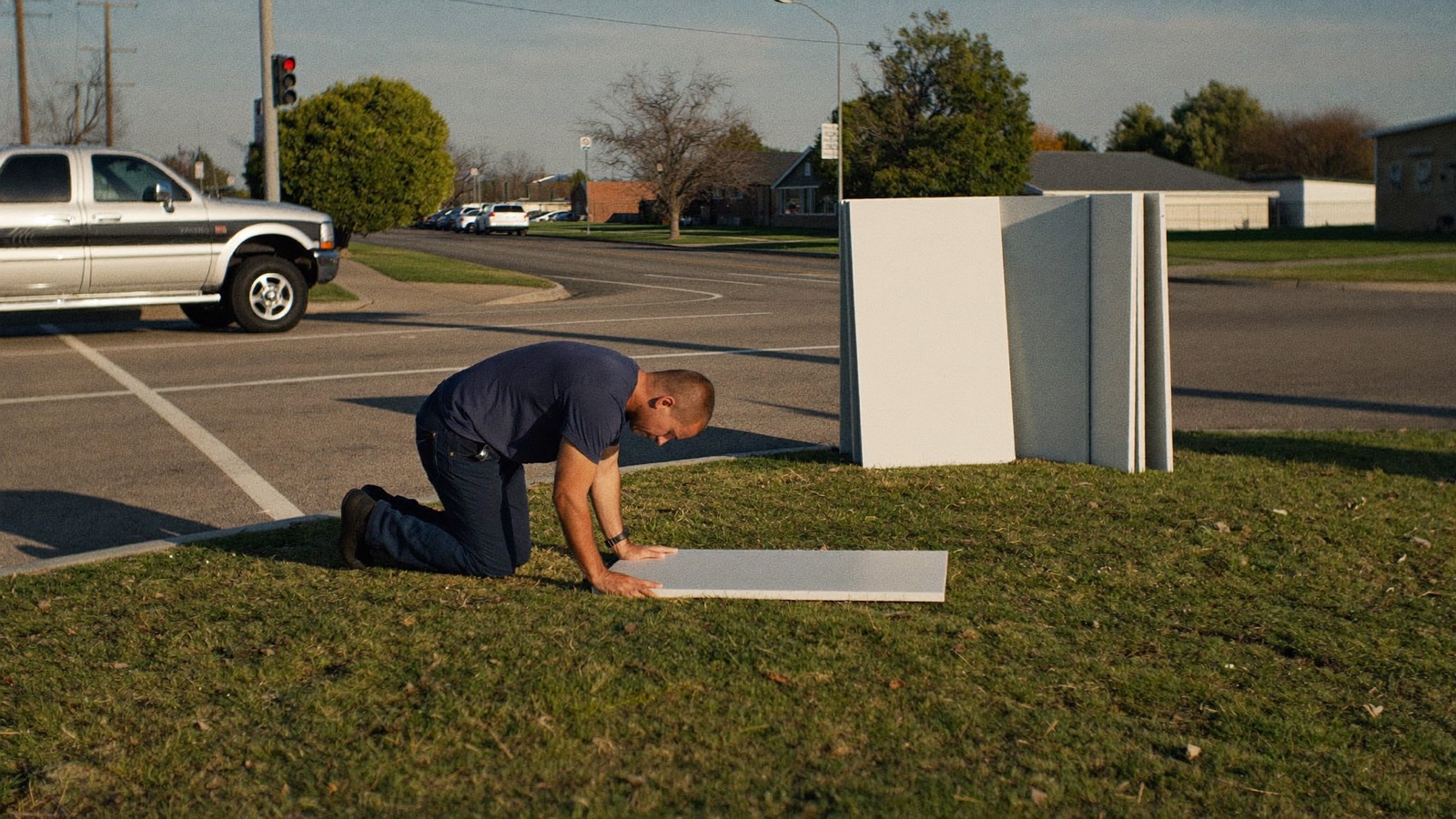
The signs showed up June 16 and my crew started placing them that weekend. We used the stakes for dirt and grass, and a stapler for telephone poles so we could put signs up high where nobody could casually rip them down. The first call hit the tracking number on June 24.
One detail that matters: we did not get all 100 signs out at once. Crews place signs between jobs, so the full batch was not out until about ten days before I pulled the numbers. The results below cover roughly a month, and for most of that month only part of the batch was working. If anything, that undersells the channel.
On design, keep it stupid simple. A yard sign is a billboard, not a brochure. Your service in giant letters, your phone number in giant letters, done. Nobody stops their car to read a paragraph.
The Results: 43 Calls, 10 Bookings, $7,460 in Sales
Here is the whole month in one table.
| Metric | Result |
|---|---|
| Total spend | $338.51 |
| Real phone calls | 43 |
| Jobs booked over the phone | 10 |
| Jobs closed in person | 6 |
| Revenue | $7,460 |
| Return on spend | About 22x |
The tracking number actually logged 46 calls, but three of those were me testing the line, so the honest count is 43. Ten of those calls booked on the phone, which is about a 23 percent phone close rate. Six of the ten closed once the crew showed up in person.
Run the cost math and it gets fun. $338.51 across 43 calls is under 8 bucks a call. About $34 per booked phone job. About $56 in marketing cost per completed job. In home services, those are silly numbers.
Now the honesty part: three larger jobs drove a big share of that $7,460. Was that luck, or is that just what happens when your phone number sits on 100 corners? One month in one market cannot answer that. I am not promising you a 22x return. I am showing you what one tracked test actually produced.
How I Knew Every Call Came From the Signs
None of these numbers would exist without call tracking. The yard signs got their own dedicated phone number that appeared nowhere else. Not on the website, not on the trucks, not on Google. When that number rang, it could only be a sign.
I did this for every marketing source. At the time I had 27 tracking numbers running: one for yard signs, separate numbers for each crew's door hangers, numbers for different campaigns. My software's job source report then tied every booked job and every dollar back to the source that produced it. That is how I can tell you the signs made $7,460 instead of guessing.
This is the step most operators skip, and it is why they argue about whether their marketing works instead of reading a report. Autopilot has call tracking built in, so every channel gets its own local number and every job gets a source. I also made a full video walking through the original yard sign results, reports and all: watch it here.
Placement Strategy (and the $130 Tool That Makes It Faster)
Where you put signs matters more than how many you buy. We targeted busy intersections, corners where cars actually stop, and telephone poles on high traffic streets. High placement was the cheat code: a sign stapled ten feet up a pole does not get pulled by an annoyed pedestrian or swiped by a competitor.
Lesson from batch one: I did not need double-sided signs. Traffic mostly sees one face. On the next order I went single-sided and only doubled up at intersections where cars approach from both directions. That one change cuts the sign bill meaningfully.
To place signs high without hauling a ladder around, I built a stapler gun pole from Home Depot parts: a heavy duty staple gun, a 10 foot length of 2 inch PVC pipe cut roughly in half, a 2 inch shielded flexible coupling to seat the staple gun handle, three hose clamps, and an interior door threshold clamped along the side as a sign brace. All in, it cost me about $130, and closer to $100 if you already own a saw and skip the $27 PVC cutter. I am not a handy guy and I still built it on camera: here is the full build.
If you are brand new and grinding for your first jobs, make signs part of a daily quota: ten signs a day alongside walk-ins and outreach. I covered that whole zero-budget playbook in my post on free ways to get junk removal jobs.
Are Yard Signs Legal?
It depends on your city, and I am not going to pretend otherwise. Many cities restrict signs in the public right of way and on utility poles, and code enforcement will pull them down when it gets around to it. Some cities fine repeat offenders.
So read your local sign code before you order 100 of anything, and treat every sign as consumable. Weather takes some, complaints take some, competitors take some. Never staple up money you are not prepared to lose. The cleanest play of all is private property with permission: one sign in a happy customer's yard on a busy street beats ten signs on a median.
When Yard Signs Beat Ads (and When They Don't)
Yard signs are a stacking channel, not a strategy. They did not replace Google for me and they will not replace it for you. What they do is add cheap, measurable calls on top of everything else you run.
If you are new with almost no budget, yard signs are one of the best dollar-for-dollar plays available. The whole test cost less than one decent junk removal job. If you are established, signs are incremental volume that costs almost nothing to try.
After month one I doubled down: 200 signs the next month, 100 per location, plus door hangers with their own tracking numbers. The door hanger play was five doors up and five doors down from every completed job, which pencils out to about 50 hangers a day minimum. My one regret from the first batch was using a single yard sign number across both locations, because I could not compare areas. Separate number per location, always.
If you want the full picture of every channel I used to build the business, start with how to get junk removal leads.
FAQ: Yard Signs for Home Service Businesses
Do yard signs really work for home service businesses?
They worked for me: 100 signs for $338.51 produced 43 calls and $7,460 in sales in about a month. Every market is different, and I ran this test in Los Angeles, which is dense. The only way to know your market is to run a small tracked test and read the numbers.
How many yard signs should I put out?
Enough to actually judge the channel. I started with 100 and moved to 200 a month split across two locations. A dozen signs will not generate enough calls to tell you anything one way or the other.
What should a yard sign say?
Your service and your phone number, both huge. Skip taglines, bullet lists, and websites nobody will remember at 40 miles per hour. And make the number a dedicated tracking number so every call is attributable to the signs.
How much do yard signs cost?
I paid $338.51 for 100 double-sided 18x24 signs with metal stakes, shipped. Single-sided costs less, and after the first batch single-sided is all I ordered, doubling up only at two-way intersections.
How do I track yard sign leads?
Put a phone number on the signs that exists nowhere else in your marketing. Software with per-source tracking numbers then ties every call, booked job, and dollar back to the signs, so you are reading a report instead of guessing.
Put a number on everything
The signs were only half the experiment. The tracking is what turned it into an answer. Autopilot plans start at $49 a month, with marketing tracking numbers and lead-source reporting on Full Throttle at $149. Start a free trial and find out which of your marketing actually pays for itself.