Table of contents
I ran a junk removal company that grossed over a million dollars a year, which means I have spent more hours at dumps than almost anyone you know. Where to dump junk sounds like a simple question until the first time you show up with a full load and get turned away over a mattress, a gate fee, or a facility rule nobody warned you about.
This guide works for two kinds of people. If you are a homeowner with a truck bed full of garage cleanout, it will save you a wasted Saturday. If you are starting a junk removal business, disposal is literally your cost of goods, and getting it wrong quietly eats your profit on every single job.
Either way, the answer starts with knowing your four options and what each one actually costs.
Your four options for dumping junk
Everything you haul ends up in one of four places:
- Landfill. The final resting place. You drive onto a scale, dump, get weighed again, and pay by the ton. Usually the cheapest per-ton option, usually the farthest away.
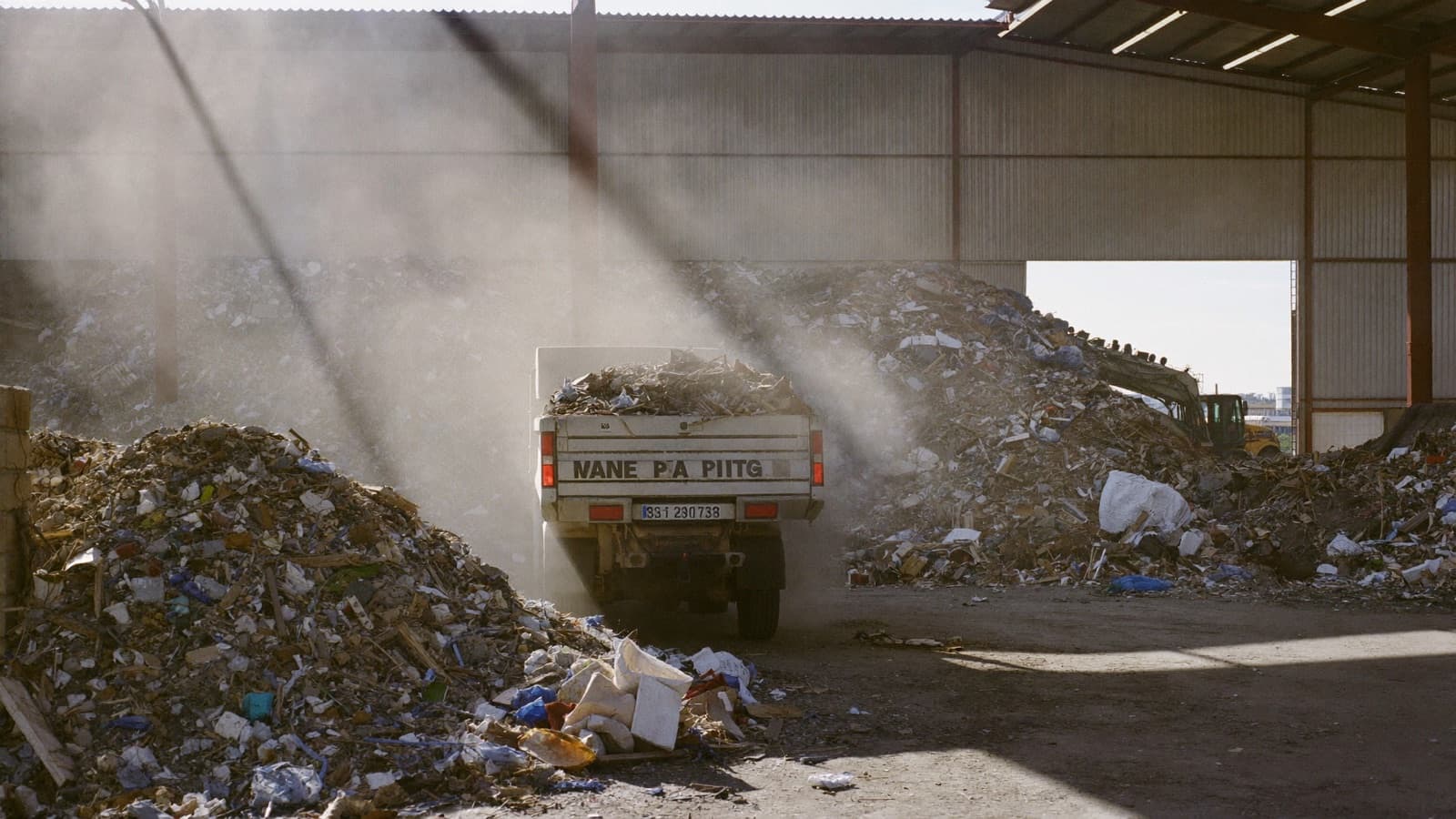
- Transfer station. A middleman facility, often closer to town, where waste is consolidated before heading to a landfill. You pay for the convenience with higher rates and sometimes stricter rules.
- Recyclers and scrap yards. Metal, cardboard, concrete, and e-waste can cost you nothing, and scrap metal can even pay you. Sorting a load before you dump is free money.
- Donation centers. Usable furniture, appliances, and household goods can skip the dump entirely. Donation runs cut your disposal cost to zero on those items, and the good stuff should never be buried anyway.
The skill, whether you are a homeowner or an operator, is splitting one messy load across those four buckets instead of paying landfill rates for everything. Ten minutes of sorting in the driveway routinely cuts a disposal bill in half.
Landfill vs transfer station: what is the difference
People use "the dump" for both, but the difference matters to your wallet and your route.
A landfill buries waste on site. A transfer station just collects it, compacts it, and trucks it to a landfill somewhere else. Landfills tend to sit far outside town and charge less per ton. Transfer stations sit closer to where people live and charge more for the shorter drive.
Which one you use is often decided for you by geography. When I lived in Thousand Oaks, I had a real landfill nearby and used it. When I moved into Los Angeles, transfer stations were basically the only realistic option. And rules vary by market in ways that surprise you: in Nashville, an operator friend of mine discovered some transfer stations only accept self-dumping vehicles, which is a big deal if your setup is a pickup you unload by hand.
The takeaway: never assume. Every facility has its own rates, hours, accepted materials, and vehicle rules, and the only way to know is to check before you load the truck.
How dump fees actually work
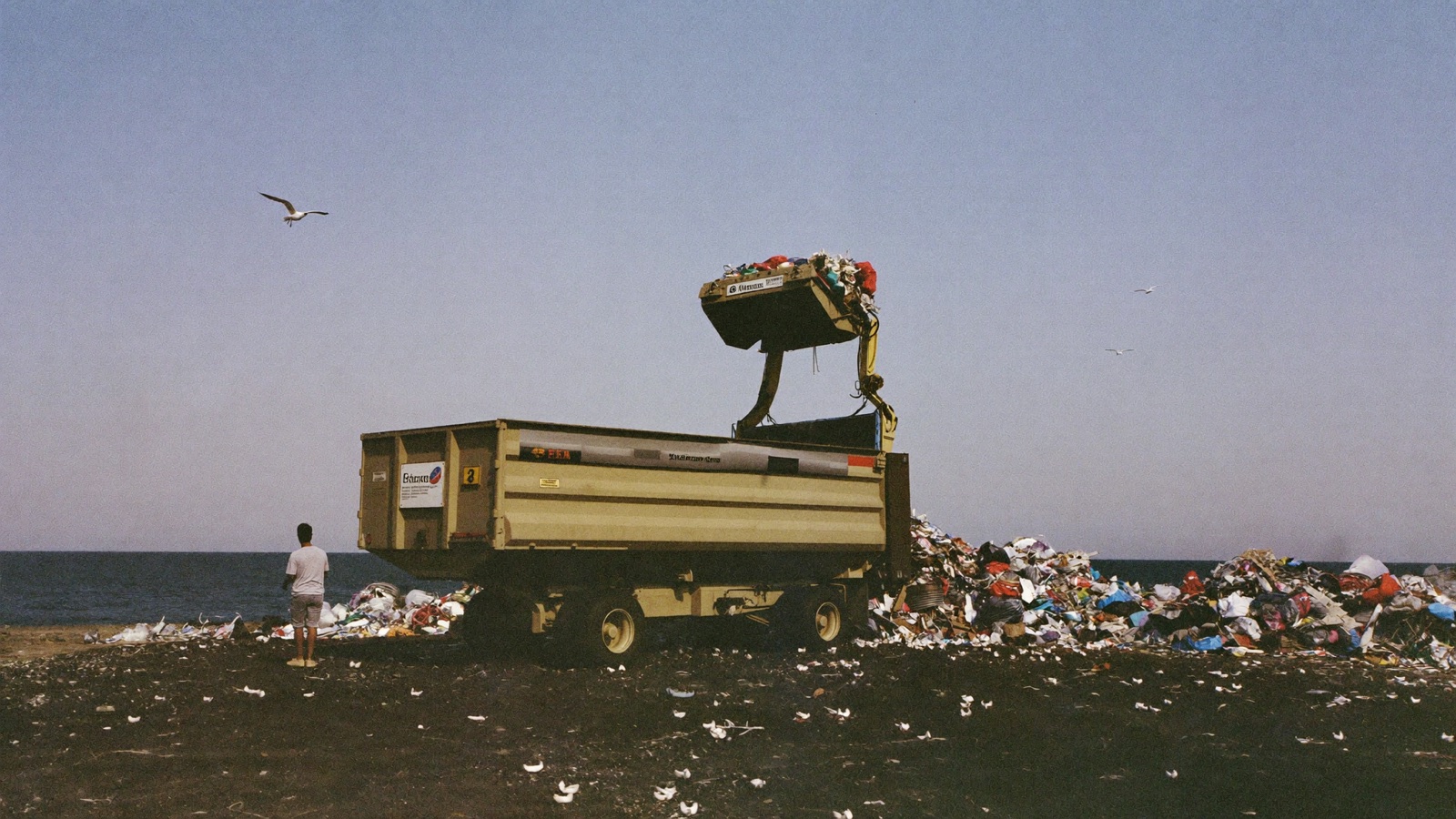
Most landfills charge by weight. You hit a scale on the way in, dump, hit the scale on the way out, and pay for the difference, usually per ton with a minimum fee that covers small loads. As a benchmark, an operator I rode along with in San Diego pays around $100 a ton at his local landfill. Some smaller facilities and transfer stations charge by volume instead, quoting per cubic yard or flat rates by load size, and minimums mean a half-empty pickup often costs the same as a full one.
Then come the item fees. Mattresses, tires, appliances with refrigerant, TVs, and e-waste routinely carry surcharges or get refused outright. Heavy dense material like concrete, dirt, and roofing is often priced separately because weight is the whole game.
And some things no regular facility will take. Paint, chemicals, and oils need household hazardous waste programs or liquid disposal centers, and that gets expensive fast. I once handled a load of paint and chemicals where the liquid disposal alone cost about $800, more than the entire dump fee on a normal full truck. If you have hazmat, plan for it first, not last.
Fees swing wildly between facilities in the same metro, which is why we built a free landfill prices tool that collects real posted rates, so you can compare before you drive.
How to find a dump near you
The old way to answer "where can I dump junk near me" was calling around and hoping. We fixed that with a free landfill map that has 6,681 landfills and transfer stations on it. Filter by facility type, find what is actually near you, and go. I made a quick video showing how it works.
Then do the one step most people skip: call before you go. Two minutes on the phone beats an hour of driving to get refused at the gate. Ask five things:
- What materials do you accept, and what do you refuse?
- How do you charge: per ton, per yard, or flat by load size, and what is the minimum fee?
- Are there extra charges for mattresses, tires, appliances, or e-waste?
- What are your hours, and how long is the scale line at midday?
- Any vehicle rules? Some facilities restrict trailers or require self-dumping trucks, and many want loads tarped.
When I started my company, building a verified list of local facilities with their pricing was one of the first pieces of homework I did, and it paid for itself every week after. Facilities change their rates and rules without announcing anything, so re-check your list once or twice a year.
For operators: dump fees are your margin
If you run or want to run a junk removal business, everything above stops being trivia and becomes your P&L. Disposal is a core cost of goods, and two habits separate profitable operators from busy ones.
Know your disposal cost before you price the job. You cannot quote a load of concrete, a paint stash, or a packed garage correctly if you do not know what your facilities charge for each material. Your price sheet should be built on top of your dump costs, not discovered after them.
Do not default to the easiest dump. On one $6,700 day, we protected a 50 to 60 percent margin partly by choosing dumps deliberately. The closest facility is not always the cheapest, and the cheapest is not always worth the drive. Factor the fee, the distance, the traffic, and the crew hours together, per load. Sorting matters too: pulling scrap metal out of a mixed load turns a disposal cost into a small payday.
Route planning around your dump sites, tracked dump fees on every job, and clean job-level numbers are exactly the boring habits that show up later as profit. I wrote a full breakdown of junk removal profit margins showing where careless disposal quietly kills operators.
Or skip the dump entirely
Honest consumer advice from a guy who charged for this: sometimes the dump run is not worth it. By the time you borrow a truck, load it, drive out, pay the minimum fee, and unload by hand, a $200 to $500 junk removal bill starts looking reasonable. I once hired a company to clear out my own apartment when I moved, and a half truckload ran $528 on their price sheet. For a big cleanout, get a quote before you burn a weekend; my post on what junk removal actually costs breaks down real prices by load size.
If you go that route, find someone local and reviewed on our free junk business map, which lists independent junk removal companies across the country.
FAQ: where to dump junk
Where can I dump junk for free?
Donation centers take usable furniture and household goods at no charge, scrap yards accept metal and often pay you, and many cities run free bulky item pickup days or household hazardous waste events. For true trash, expect to pay: landfills and transfer stations charge by weight or volume almost everywhere.
How much does it cost to dump a truckload of junk?
It depends on weight and your local rates. Landfills commonly charge per ton with a minimum fee, and one San Diego operator I know pays around $100 a ton. A typical pickup load of mixed junk often lands in the tens of dollars, while heavy material like concrete or a load with surcharge items costs meaningfully more.
What is the difference between a landfill and a transfer station?
A landfill buries waste on site and usually charges less per ton but sits farther out. A transfer station collects and consolidates waste closer to town before trucking it to a landfill, and charges more for that convenience. Rules, rates, and accepted vehicles differ at every facility, so call ahead.
What items will the dump refuse?
Commonly refused or surcharged: paint, chemicals, oils, tires, mattresses, refrigerant appliances, TVs, and e-waste. Hazardous liquids need dedicated disposal programs, and that can be expensive; I have paid around $800 just to dispose of one load of paint and chemicals properly.
Stop guessing where the load goes
Whether you are clearing one garage or pricing ten jobs a day, the free landfill map and posted landfill prices take the mystery out of disposal. And if hauling junk is your business, Autopilot tracks every job, dump fee, and dollar of margin for $49 a month. Start a free trial or check the pricing and keep the dump from eating your profit.